


L-aspartic acid - function, effect & importance for protein metabolism
Aspartic acid is a proteinogenic amino acid that supports protein synthesis. L-aspartic acid promotes ammonia detoxification and can increase physical endurance.
Wissenswertes über "L-aspartic acid"
An amino acid that plays a role in the energy cycle and in the synthesis of other amino acids.
What Is L-Aspartic Acid?
L-aspartic acid is a naturally occurring, non-essential amino acid that the human body can produce on its own. It plays a central role in energy metabolism, in the formation of other amino acids, and in the urea cycle. As a building block of proteins and as a neurotransmitter precursor, L-aspartic acid is involved in numerous biological processes.
Biochemical Properties and Occurrence
L-aspartic acid belongs to the group of acidic amino acids and carries a negative charge at physiological pH. It is a component of many endogenous proteins and is found in virtually all protein-containing foods. Foods particularly rich in L-aspartic acid include meat and poultry, fish and seafood, legumes such as soybeans and lentils, nuts and seeds, and asparagus, after which the amino acid was originally named.
Biological Functions
L-aspartic acid fulfills diverse roles in the human body. It is an important component of the urea cycle, through which ammonia is detoxified and excreted as a metabolic waste product. It is also involved in the citric acid cycle, a central process of cellular energy production. L-aspartic acid serves as a precursor for the synthesis of other amino acids, including asparagine, methionine, threonine, and lysine. In the central nervous system, L-aspartic acid acts as an excitatory neurotransmitter and is involved in signal transmission between nerve cells.
L-Aspartic Acid and Sport
In the field of sports nutrition, L-aspartic acid, often in the form of aspartate salts such as magnesium aspartate or potassium aspartate, is discussed as a performance-enhancing supplement. It is thought to improve ammonia detoxification during intense physical exertion and thereby support endurance performance. However, the scientific evidence for a significant performance-enhancing effect in healthy individuals has not yet been conclusively established. Some studies suggest a possible reduction in fatigue symptoms, while others show no measurable effect.
Aspartic Acid as a Sweetener Component
L-aspartic acid is known as a component of the sweetener aspartame. Aspartame consists of L-aspartic acid and L-phenylalanine and is used in numerous foods and beverages as a low-calorie sugar substitute. People with the rare metabolic disorder phenylketonuria must avoid aspartame, as they are unable to break down phenylalanine.
Recommended Intake and Safety
As L-aspartic acid is a non-essential amino acid, there is no official recommended daily intake. The body can produce sufficient amounts on its own with a balanced diet. Targeted supplementation is generally not necessary for healthy individuals. High-dose preparations should be avoided without medical advice, as excessive amounts of excitatory amino acids could theoretically have neurotoxic effects, although this is considered unlikely at typical oral doses.
References
- Lehninger, A. L., Nelson, D. L., Cox, M. M. - Lehninger Principles of Biochemistry. W. H. Freeman and Company, 7th edition, 2017.
- Griffith, O. W. - Mammalian sulfur amino acid metabolism: an overview. Methods in Enzymology, 1987.
- European Food Safety Authority (EFSA) - Scientific Opinion on the safety of aspartame. EFSA Journal, 2013.
Verwandte Produkte
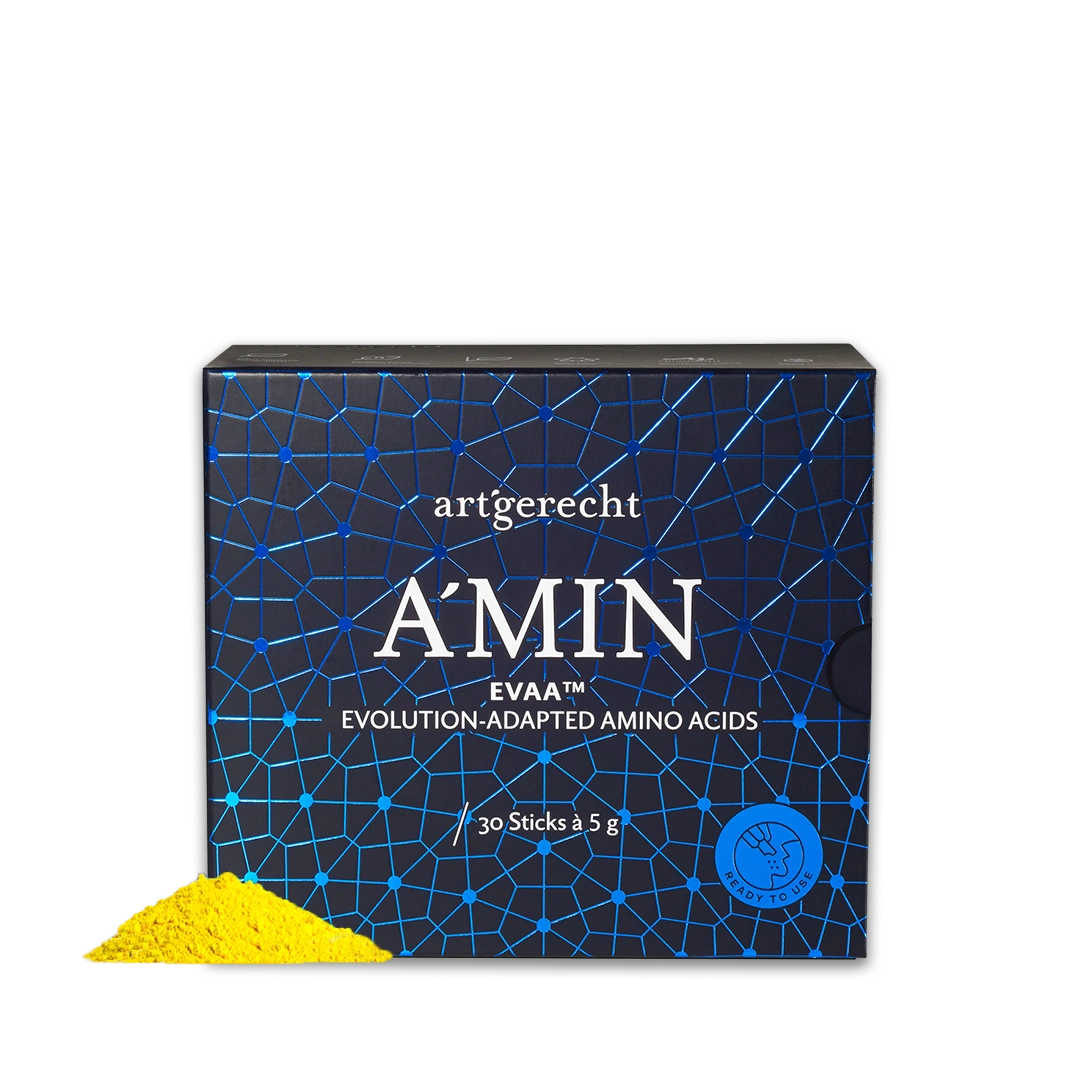
For Your Fast Recovery
Unique patented amino acid mix (EVAA™) for your recovery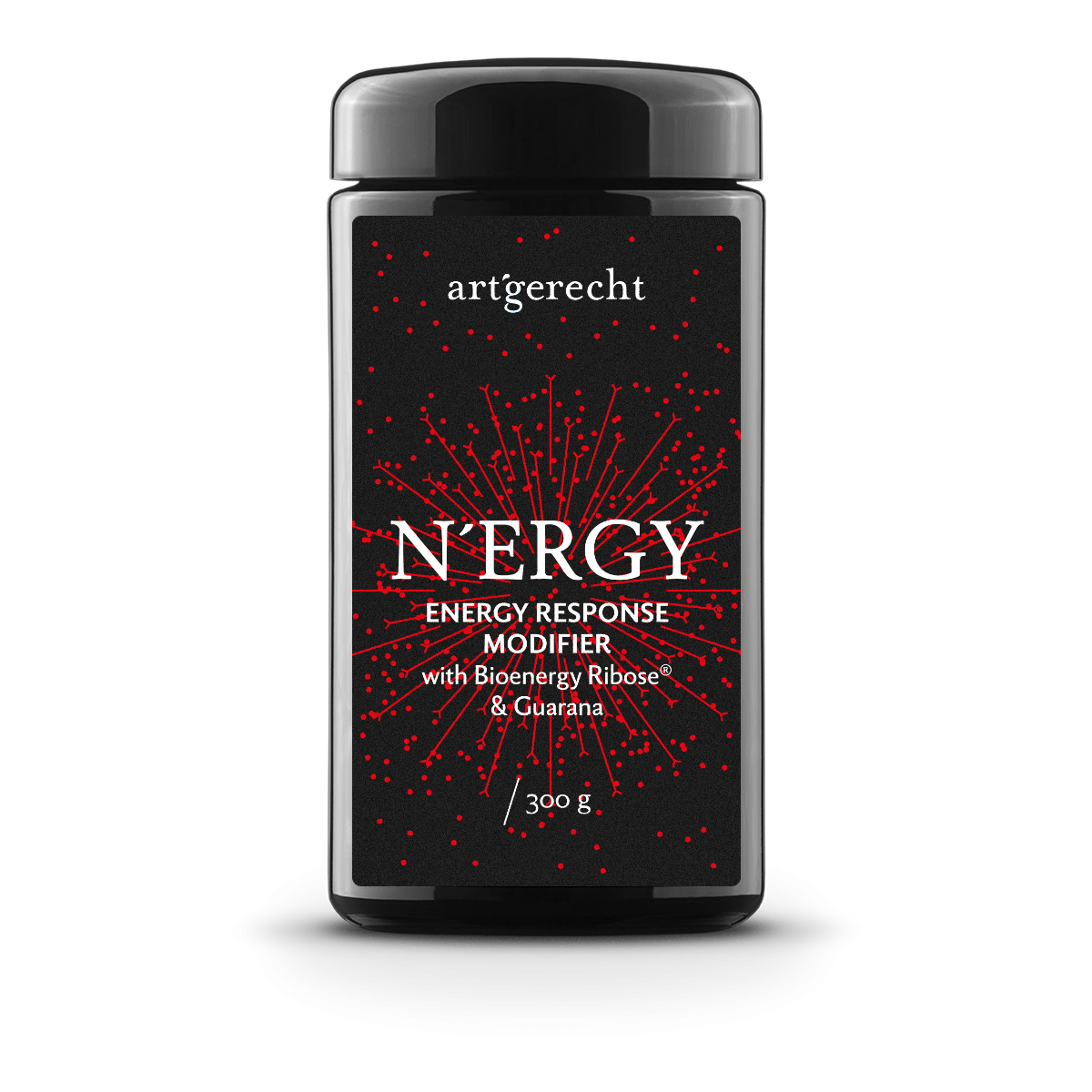
Your natural source of energy for everyday life & sports
Natural energy formula for everyday life & sports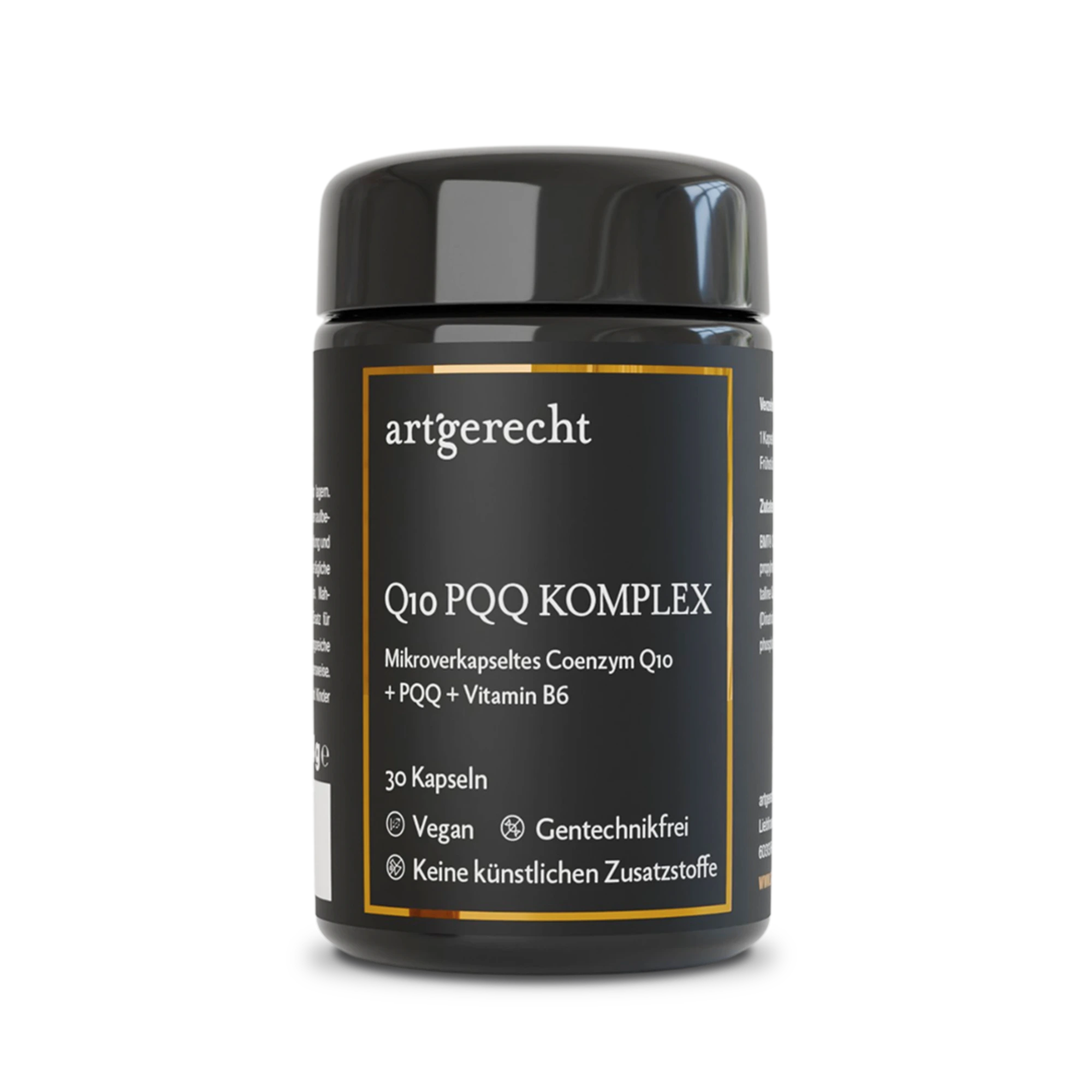
Supports energy, mitochondria & concentration
Mikroverkapseltes Q10, PQQ und bioaktives Vitamin B6 in moderner Kombination.
Best-selling products

For your universal protection
As one of the most valuable proteins in the body, lactoferrin is a natural component of the immune system.

For your iron balance
Specially formulated for your iron balance with plant-based curry leaf iron, Lactoferrin CLN®, and natural Vitamin C from rose hips.

For Healthy Oral Flora & Dental Care
Formulated lozenges with Dentalac®, probiotic lactic acid bacteria, and Lactoferrin CLN®The latest entries
3 Posts in this encyclopedia categoryTerpene Fraction
Cytoprotection
Meningeal Sheath
Most read entries
3 Posts in this encyclopedia categoryMagnesiumcarbonat
Cologne list
Calorie content
Related search terms: L-aspartic acid + aspartic acid