


Milk allergy - symptoms, differentiation from lactose intolerance
A milk allergy is an immune reaction to milk protein. Find out how it manifests itself, what you should avoid and how you can alleviate symptoms naturally.
Wissenswertes über "Milk allergy"
The milk allergy is a genuine food allergy in which the immune system overreacts to milk protein
In contrast to lactose intolerance, in which the milk sugar (lactose) is not digested properly, milk allergy is an immune reaction, often of the type.nbsp;immune reaction, often of the type IgE-mediated. Particularly affected are infants and young children, in whom the allergy often regresses with age.
Symptoms range from skin rash, eczema, abdominal cramps, Diarrhoea, vomiting up to breathing difficulties or in extreme cases anaphylactic shock. The symptoms often occur shortly after the consumption of dairy products . Common triggers are the proteins casein and β-lactoglobulin, which are found in milk, yoghurt, cheese, cream and many processed foods.
The most important measure for milk allergy is consistent avoidance of dairy products. Substitutes are plant-based milk alternatives (e.g. oat, rice or almond milk) and a targeted supply of calcium, vitamin D, zinc and omega-3 fatty acids to compensate for nutrient deficiencies. Children should receive individual advice from allergists and nutritional therapists. In some cases, an oral tolerance induction is also medically supported.
Typical symptoms of milk allergy:
- Abdominal pain, Bloating, Diarrhoea, Vomiting
- Skin rash, Neurodermatitis-like eczema
- Breathing difficulties, cough, rhinitis
- In severe cases anaphylactic reactions
- complaints usually a few minutes to hours after milk intake
Differentiation from lactose intolerance:
- Milk allergy: immunological, affects proteins (casein, whey)
- Lactose intolerance: enzymatic, affects milk sugar (lactose)
- Allergy can be life-threatening, intolerance is usually ""only"" unpleasant
Treatment & Prevention:
- Dairy-free diet (incl. hidden ingredients in processed products)
- Substitution of important micronutrients: Calcium, vitamin D, B12, omega-3
- In children: regular review of tolerance development
Literature references
- Fiocchi, A. et al (2010): World Allergy Organization (WAO) diagnosis and rationale for action against cow's milk allergy. World Allergy Organ J.
- Host, A. et al. (2002): Cow's milk allergy and intolerance in infants. Pediatr Allergy Immunol.
- Sicherer, S.H. (2011): Epidemiology of food allergy. J Allergy Clin Immunol.
Verwandte Produkte
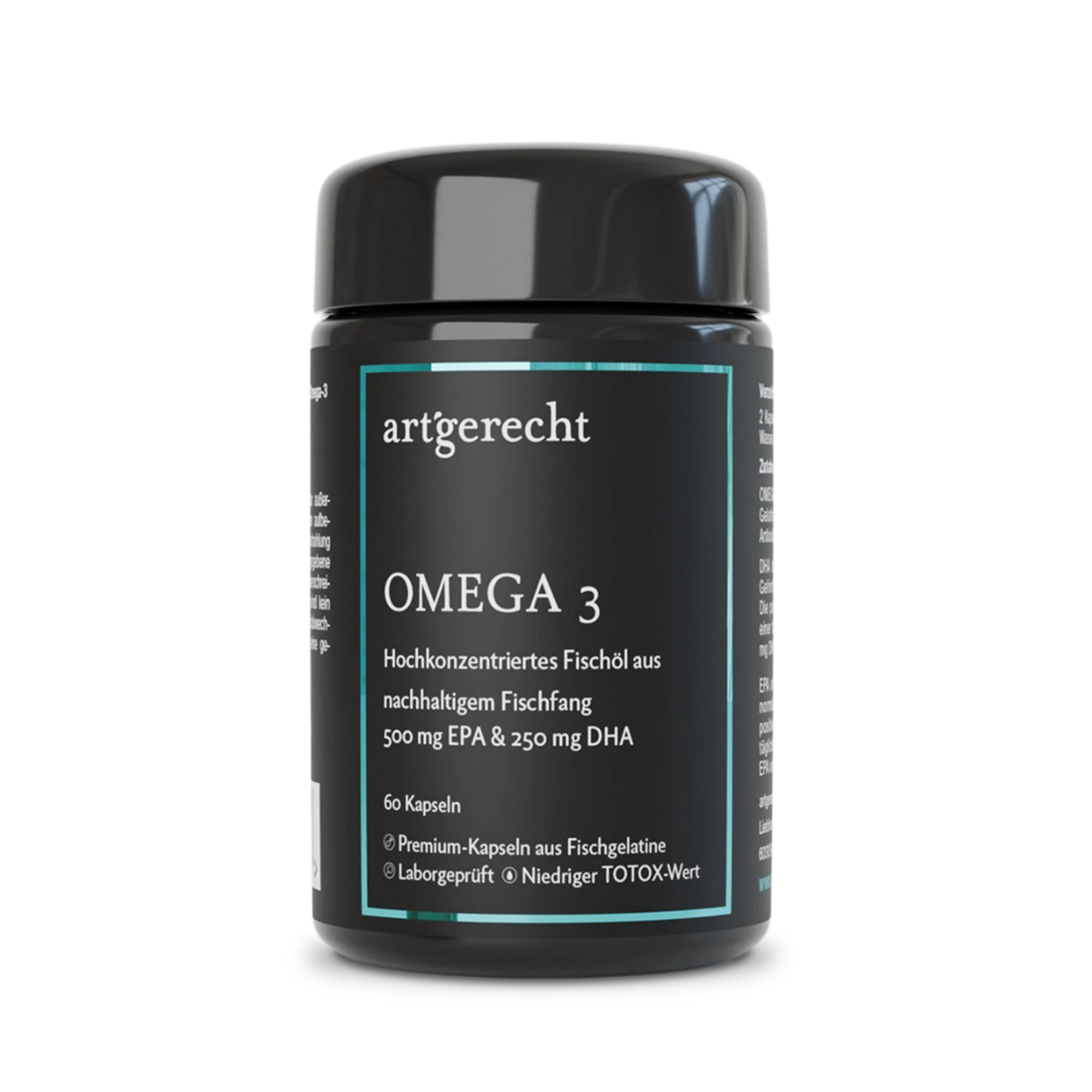
For Your Eyes, Heart, and Brain
High content of essential Omega-3 fatty acids EPA and DHA, sourced from sustainable fishing.

Holistic support for energy metabolism, nervous system & immune system²
Active Methylcobalamin (Vitamin B12) spray with 5x increased bioavailability
Best-selling products

For your universal protection
As one of the most valuable proteins in the body, lactoferrin is a natural component of the immune system.

For your iron balance
Specially formulated for your iron balance with plant-based curry leaf iron, Lactoferrin CLN®, and natural Vitamin C from rose hips.

For Healthy Oral Flora & Dental Care
Formulated lozenges with Dentalac®, probiotic lactic acid bacteria, and Lactoferrin CLN®The latest entries
3 Posts in this encyclopedia categoryImmunophenotyping
Cell Differentiation
Radial Shaft Fracture
Most read entries
3 Posts in this encyclopedia categoryMagnesiumcarbonat
Cologne list
Calorie content
Related search terms: Milk allergy + milk allergy symptoms