


Mould allergy - causes, symptoms and protective measures
A mould allergy can cause breathing difficulties, coughing and tiredness. Find out how to recognise triggers and reduce your exposure naturally.
Wissenswertes über "Mould allergy"
Mould allergy is a hypersensitive reaction of the immune system to spores or components of moulds, which are primarily absorbed via the respiratory tract.
Since mould occurs in damp indoor spaces, on food or outdoors, the exposure is often permanent or recurring. People with an allergy, asthma or pre-existing mucosal sensitivity are particularly affected.
Typical symptoms include sneezing, blocked nose, cough, shortness of breath, eye itching and even under heavy strain.strong data-start=""1222"" data-end=""1247"">asthmatic symptoms or chronic bronchitis. Also nonspecific symptoms such as headaches, fatigue or concentration problems may occur. Mould allergies are often underestimated as they are insidious and are easily confused with house dust, pollen or animal hair allergies.
In addition to the consistent avoidance of mould sources (e.g. through ventilation, drying, renovation), natural strategies for immune modulation can also help. These include lactoferrin, vitamin C, Zinc, quercetin or Omega-3 fatty acids, which stabilise the immune system, inhibit inflammation and improve the barrier function of the mucous membranes can. Cleaning the airways by inhalation or nasal irrigation can also help to provide relief.
Typical symptoms of a mould allergy:
- Sneezing, Nasal congestion, coughing irritation
- itchy, watery eyes, Shortness of breath, Pneezing
- Chronic complaintsBronchitis, Sinusitis, Asthma attacks
- Nonspecific symptoms: Headache, Fatigue, Concentration disorders
Frequent triggers (allergens):
- Mould spores such as Aspergillus, Cladosporium, Alternaria
- Indoor sources: Damp walls, bathrooms, kitchens, air conditioning
- Outdoor sources: Compost, leaves, damp soil, mould-infested environment
- Food: mouldy or fermented products (e.g. cheese)
Treatment and prevention strategies:
- Remediation of mould sources, good ventilation behaviour
- HEPA filters, regular dusting with a damp cloth
- Lactoferrin, Quercetin, Zinc, Vitamin C, Omega-3 to strengthen the immune system
- Nasal rinsing, inhalation with sea salt solution
- For severe courses Antihistamines, if necessary. Hyposensitisation
Literature references
- Kurup, V.P. et al. (2000): Fungal allergens. Clin Microbiol Rev.
- Bush, R.K. et al. (2006): The role of allergens in the development of asthma. J Allergy Clin Immunol.
- Sudakin, D.L. (1998): Indoor mould exposure and health effects. Clin Toxicol.
Verwandte Produkte

For your universal protection
As one of the most valuable proteins in the body, lactoferrin is a natural component of the immune system.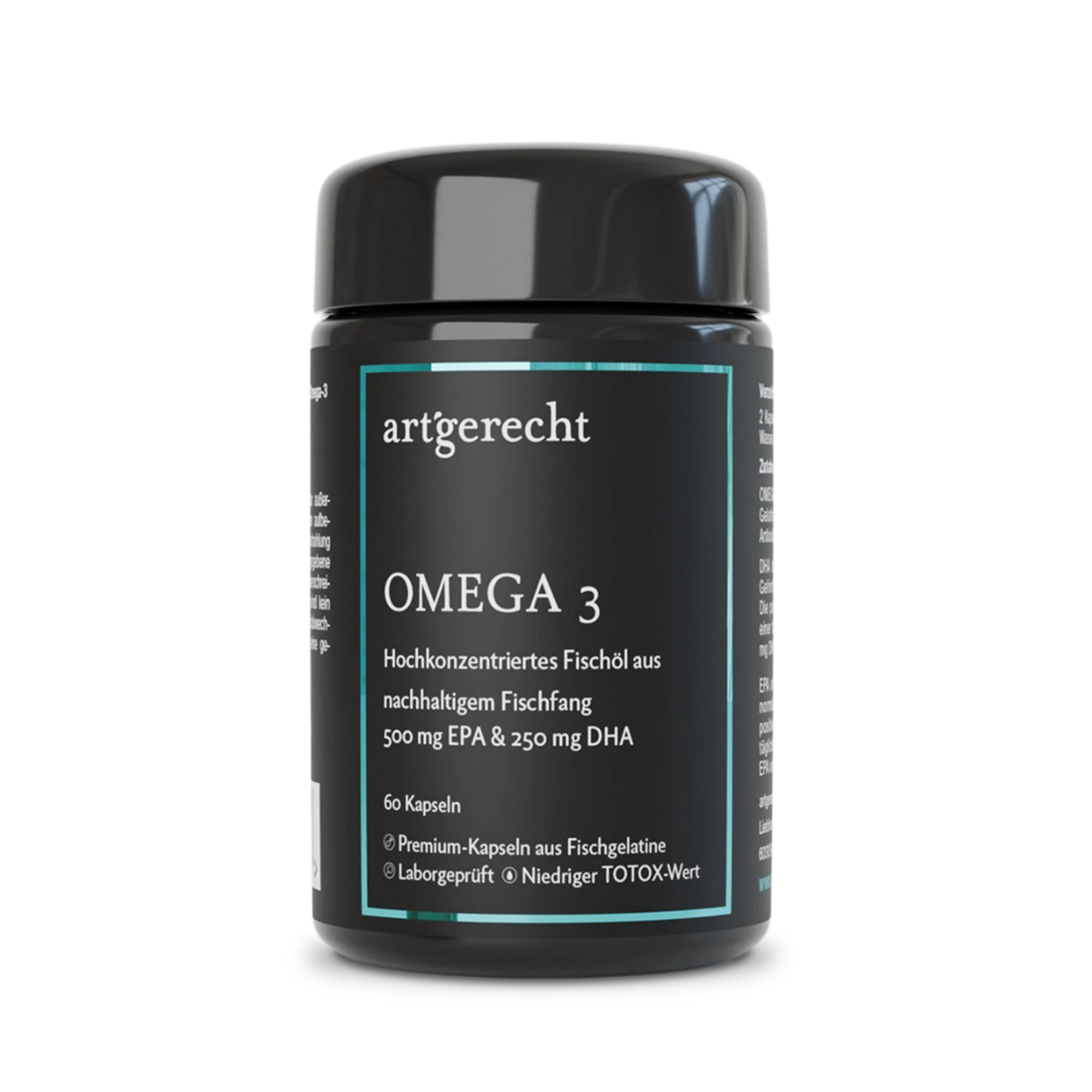
For Your Eyes, Heart, and Brain
High content of essential Omega-3 fatty acids EPA and DHA, sourced from sustainable fishing.
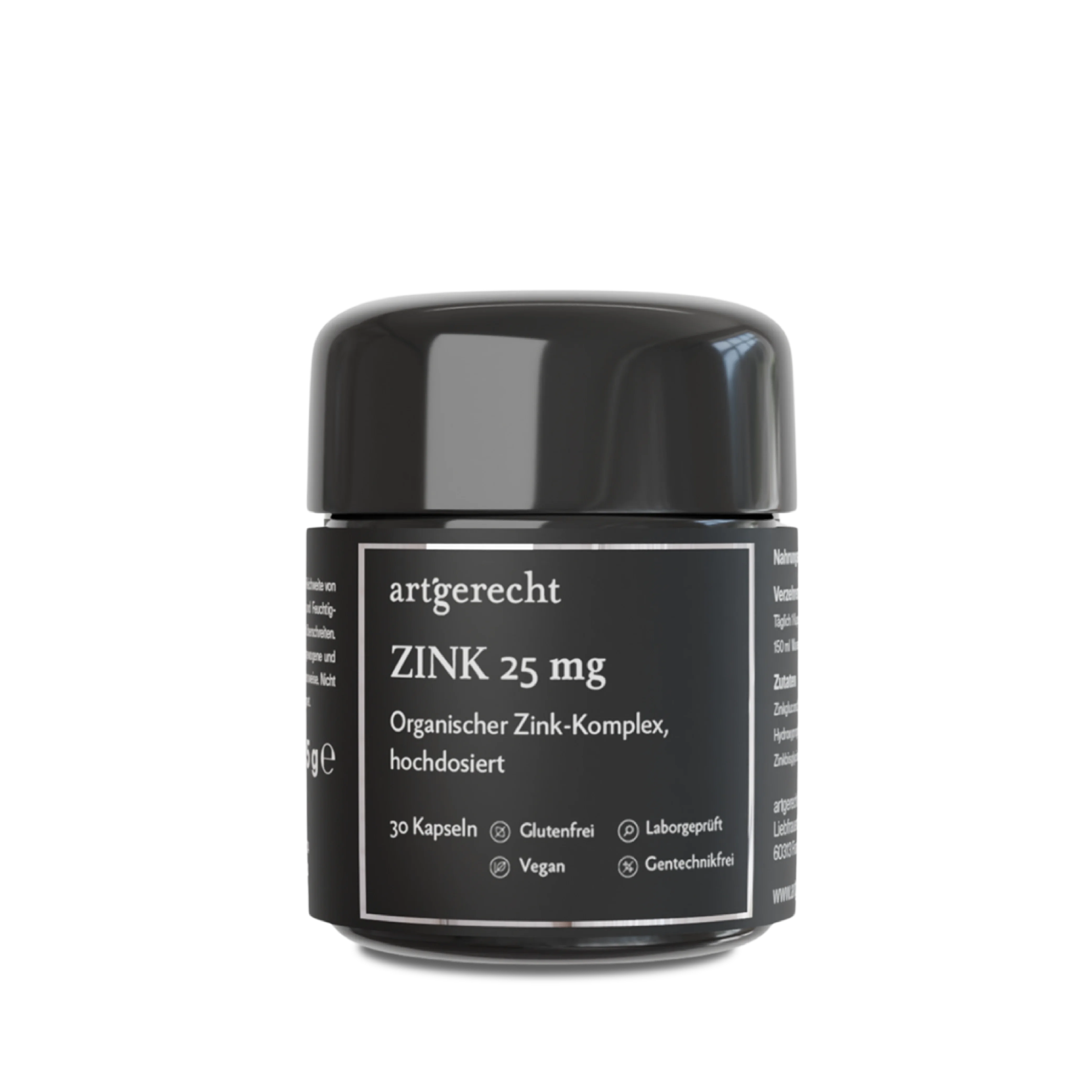
Essential trace element for your health & well-being
High-purity organic zinc compounds for the immune system, skin & hair
Best-selling products

For your universal protection
As one of the most valuable proteins in the body, lactoferrin is a natural component of the immune system.

For your iron balance
Specially formulated for your iron balance with plant-based curry leaf iron, Lactoferrin CLN®, and natural Vitamin C from rose hips.

For Healthy Oral Flora & Dental Care
Formulated lozenges with Dentalac®, probiotic lactic acid bacteria, and Lactoferrin CLN®The latest entries
3 Posts in this encyclopedia categoryNutrient Receptor
Urine Protein Test
Xenotransplantation
Most read entries
3 Posts in this encyclopedia categoryMagnesiumcarbonat
Cologne list
Calorie content
Related search terms: Mould allergy + mould allergy symptoms