


Sarcoma - Malignant tumour of the connective and supporting tissue
Sarcomas are rare malignant tumours of connective, muscle or bone tissue. Find out more about forms, symptoms, modern therapeutic approaches and current studies such as TRAPTRAP.
Wissenswertes über "Sarcoma"
A sarcoma is a rare form of malignant tumour that originates in connective, supporting or muscle tissue.
A sarcoma is a rare, malignant tumour that arises from mesenchymal tissue - i.e. from connective tissue, fat, muscle, bone or blood vessels. In contrast to the more common carcinomas, which arise from epithelial tissue (e.g. skin or mucous membranes), support and musculoskeletal system, such as bones, cartilage, fat, muscles, blood vessels or nerves . They can occur in both soft tissue (soft tissue sarcomas) and bone (bone sarcomas).
Sarcomas account for less than 1% of all malignant tumours in adults, but about 10-15% of solid tumours in children.They can occur in almost any part of the body, but most commonly in the extremities, abdomen or soft tissue.
Sarcomas often cause few symptoms in the early stages, which makes diagnosis difficult. Typical signs can be painless swelling or lumps in the soft tissue or bone area. As the disease progresses, pain, restricted movement or weight loss may occur. The diagnosis is made using imaging procedures such as MRI, CT or X-ray as well as a tissue sample (biopsy) to determine the type of tumour. The exact causes of sarcomas are not fully understood, but genetic factors, radiation exposure, chemical noxae (harmful substances) and certain pre-existing conditions play a role. Certain hereditary diseases such as Li-Fraumeni syndrome or neurofibromatosis increase the risk of developing sarcoma.
Direct prevention of sarcoma is not possible, but some measures can reduce the general risk of cancer. Avoiding exposure to radiation and carcinogenic chemicals, an anti-inflammatory diet with antioxidants, omega-3 fatty acids, vitamin D, zinc and selenium and regular exercise all contribute to cell health. Spermidine could also play a role here. Spermidine is a natural polyamine found in foods such as wheat germ, soya beans and mushrooms and plays a central role in autophagy - a cellular self-cleaning process in which damaged or faulty cell components are broken down and recycled. Since cancer often originates from defective cells, the promotion of autophagy by spermidine could help to eliminate potentially dangerous cells at an early stage. In addition, spermidine has anti-inflammatory and antioxidant properties, which could help reduce cell stress and lower the overall risk of cancer. In addition, people with a genetic predisposition should have regular check-ups to detect possible changes at an early stage.
Classification
Sarcomas are roughly divided into two main groups:
-
Soft tissue sarcomas (e.g. liposarcoma, leiomyosarcoma, synovial sarcoma, angiosarcoma)
-
Bone sarcomas (e.g. osteosarcoma, Ewing's sarcoma, chondrosarcoma)
Symptoms
The symptoms are often non-specific and depend on the localisation. Possible symptoms:
-
Painless, growing swelling or lump
-
Pain on pressure or movement in a deep position
-
Impairment of neighbouring structures (e.g. nerves, organs, vessels)
-
Late: pain, weight loss, fatigue, fever
Causes and risk factors
The exact causes are often unclear. Possible influencing factors:
-
Genetic mutations or syndromes (e.g. Li-Fraumeni syndrome, neurofibromatosis type 1)
-
Ionising radiation (e.g. after cancer treatment)
-
Chronic inflammation or tissue damage
-
Exposure to certain chemicals (e.g. vinyl chloride)
Diagnostics
The clarification is interdisciplinary and includes:
-
Physical examination and imaging (MRI, CT, X-ray, PET-CT if necessary)
-
Biopsy for histological confirmation
-
Staging (to detect metastases, especially in the lungs and liver)
Therapy
Treatment depends on the type, location, stage and molecular biological characteristics of the tumour:
-
Surgical removal with the widest possible safety distance
-
Radiation therapy for local tumour control
-
Chemotherapy (especially for paediatric sarcomas or aggressive subtypes)
-
Targeted therapy and immunotherapy (e.g. for GIST, CD13-positive tumours)
-
Study-based therapies such as in the TRAPTRAP trial, which is testing innovative combinations with fusion proteins such as tTF-NGR to specifically interrupt tumour supply
Prognosis
The prognosis depends heavily on the tumour type, the stage at diagnosis, resectability and response to therapy. If detected early, the chances of recovery are good, but the prognosis deteriorates considerably with advanced metastasis.
Literature references:-
Fletcher, C. D. et al (2020). ""WHO Classification of Soft Tissue and Bone Tumours.""
-
German Sarcoma Foundation (2023). ""Guide for patients with sarcomas.""
- Mesters, R. et al (2022). ""TRAPTRAP trial: Targeted tumour vessel infarction in soft tissue sarcoma.""
Verwandte Produkte
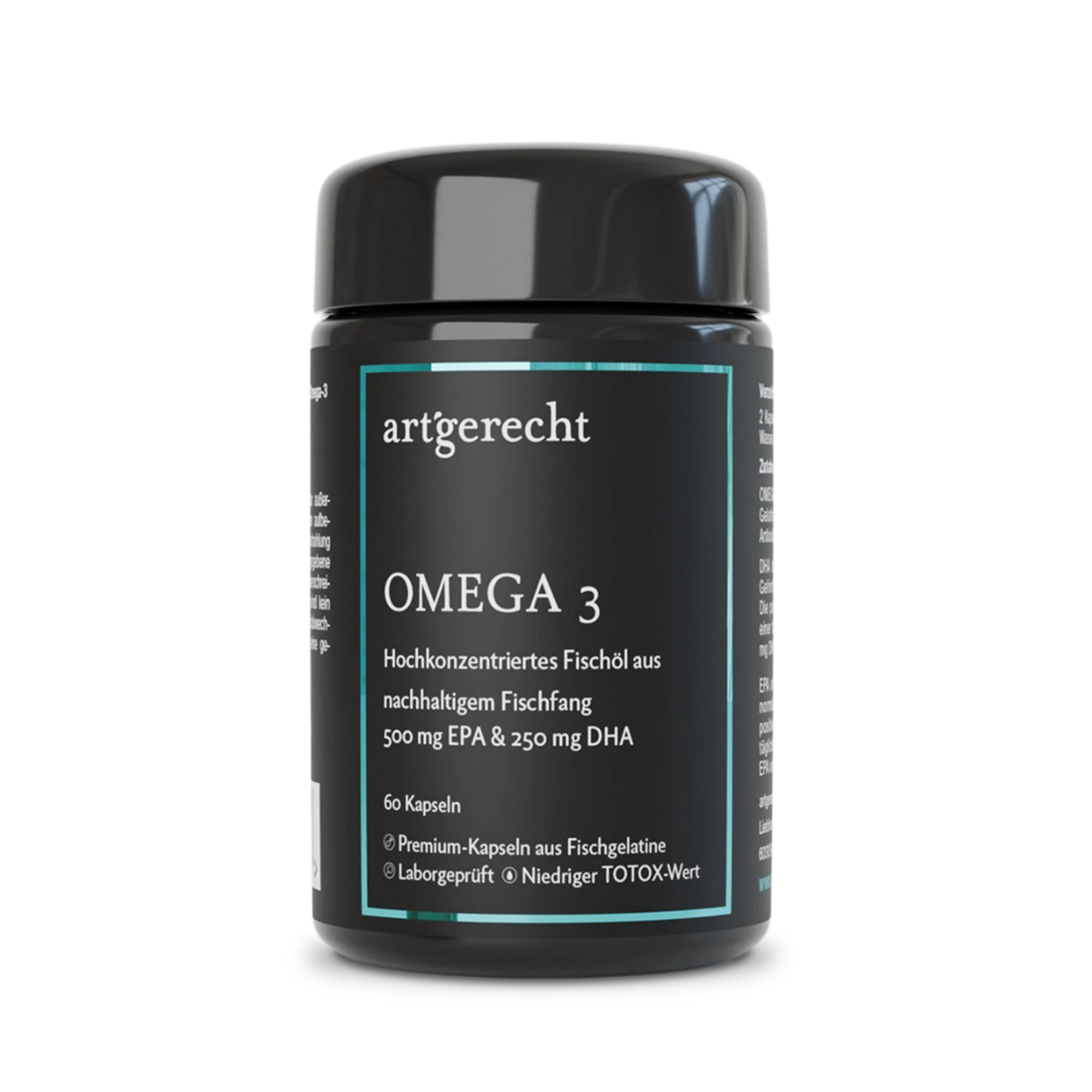
For Your Eyes, Heart, and Brain
High content of essential Omega-3 fatty acids EPA and DHA, sourced from sustainable fishing.
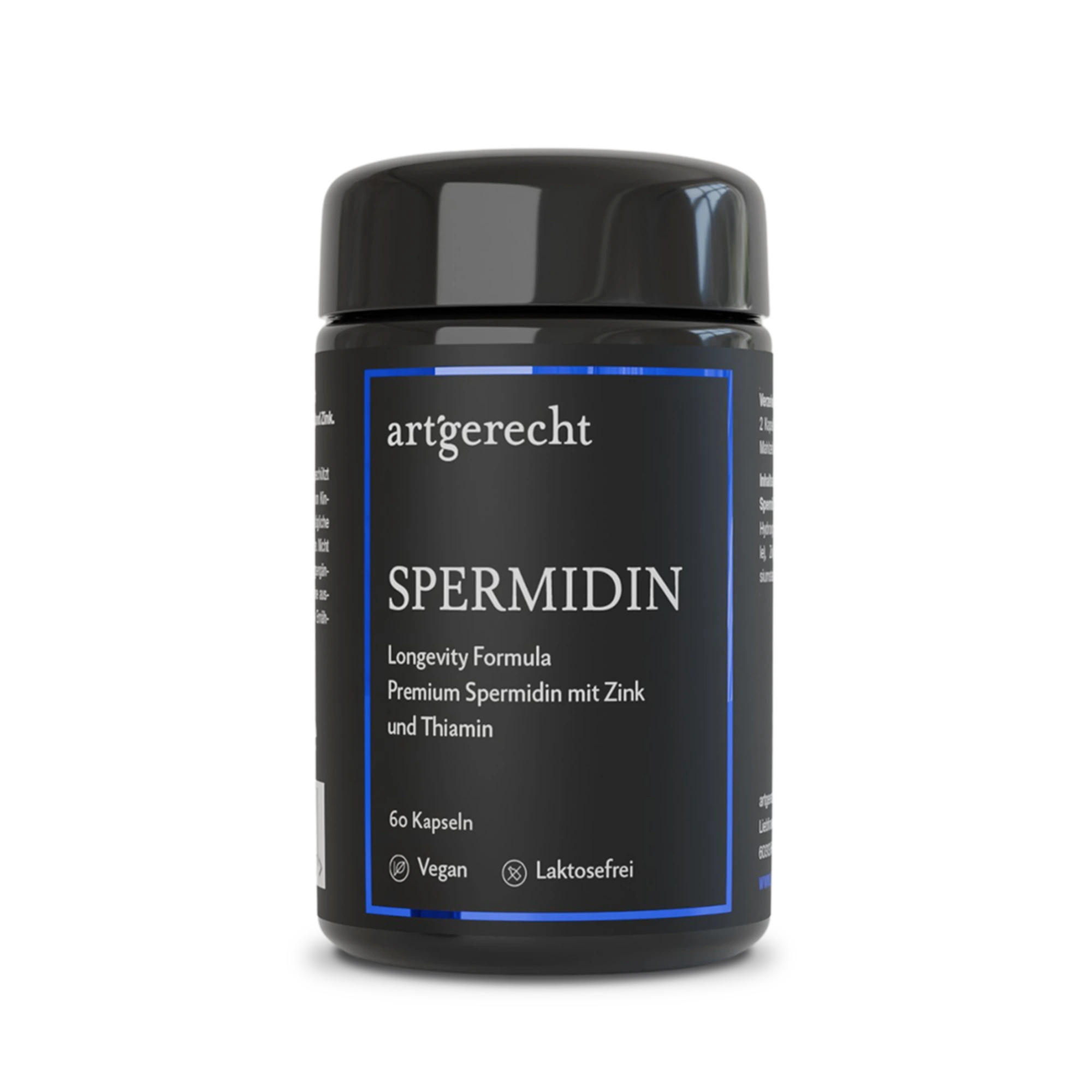
For Your Cell Renewal
Activate your cell renewal and rely on the natural polyamine spermidine as your secret ingredient!
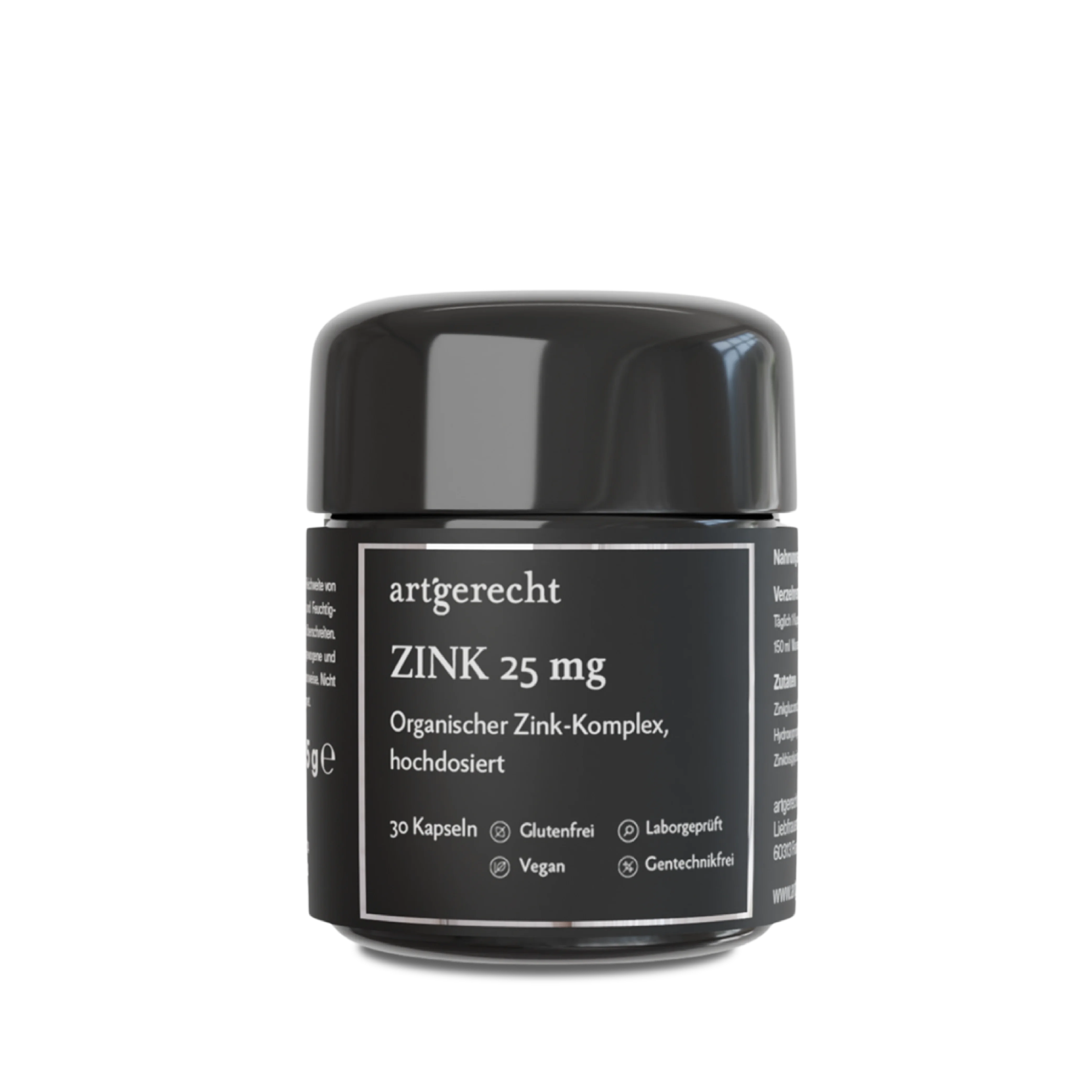
Essential trace element for your health & well-being
High-purity organic zinc compounds for the immune system, skin & hair
Best-selling products

For your universal protection
As one of the most valuable proteins in the body, lactoferrin is a natural component of the immune system.

For your iron balance
Specially formulated for your iron balance with plant-based curry leaf iron, Lactoferrin CLN®, and natural Vitamin C from rose hips.

For Healthy Oral Flora & Dental Care
Formulated lozenges with Dentalac®, probiotic lactic acid bacteria, and Lactoferrin CLN®The latest entries
3 Posts in this encyclopedia categoryTerpene Fraction
Cytoprotection
Meningeal Sheath
Most read entries
3 Posts in this encyclopedia categoryMagnesiumcarbonat
Cologne list
Calorie content
Related search terms: Sarcoma + sarcoma cancer + sarcoma symptoms