


Microbiome Regulation – Function & Impact
Microbiome regulation refers to the balance of microorganisms living in and on the human body. A healthy microbiome supports immunity, digestion, and overall wellbeing.
Wissenswertes über "Microbiome Regulation"
Microbiome regulation refers to the balance of microorganisms living in and on the human body. A healthy microbiome supports immunity, digestion, and overall wellbeing.
What is Microbiome Regulation?
The microbiome refers to the entire community of microorganisms – including bacteria, viruses, fungi, and archaea – that live in and on the human body. Microbiome regulation describes the processes by which this complex ecosystem is brought into and maintained in balance. The gut harbours the largest proportion of the microbiome, with approximately 100 trillion microorganisms, making it the focus of most current research.
A well-regulated microbiome is closely linked to the health of the entire organism. It influences the immune system, metabolism, mental health, and the defense against pathogens.
Factors Influencing Microbiome Regulation
Numerous internal and external factors affect the balance of the microbiome:
- Diet: A fibre-rich, varied diet promotes bacterial diversity. High sugar intake, saturated fats, and ultra-processed foods can disrupt the microbiome.
- Antibiotics and medications: Antibiotics do not only eliminate pathogens but also kill beneficial bacteria, potentially causing significant disruption to the microbial balance.
- Stress: Chronic psychological stress affects the composition of the microbiome through the so-called gut-brain axis.
- Physical activity: Regular exercise has been shown to positively influence the diversity of the gut microbiome.
- Birth and early childhood: Microbial colonisation begins at birth. Vaginal delivery and breastfeeding support healthy microbiome development.
- Age: The composition of the microbiome changes with increasing age, which has been linked to age-related diseases.
Dysbiosis – When the Balance Is Disrupted
A disruption of microbial balance is called dysbiosis. It can contribute to a wide range of health problems, including:
- Digestive complaints such as bloating, diarrhoea, or constipation
- Inflammatory bowel diseases (e.g., Crohn's disease, ulcerative colitis)
- Obesity and metabolic disorders
- Allergies and autoimmune conditions
- Mental health conditions such as depression and anxiety
Approaches to Supporting Microbiome Regulation
Probiotics
Probiotics are live microorganisms that, when consumed in adequate amounts, confer a health benefit on the host. They are available as supplements or through fermented foods such as yoghurt, kefir, kimchi, or sauerkraut and can help stabilise a disrupted microbiome.
Prebiotics
Prebiotics are non-digestible food components that selectively promote the growth and activity of beneficial gut bacteria. They are found primarily in foods such as chicory, garlic, onions, bananas, and oats.
Faecal Microbiota Transplantation
Faecal microbiota transplantation (FMT) is a medical procedure in which stool from a healthy donor is transferred to a patient. It is used particularly for recurrent Clostridioides difficile infections and shows promising results for various gut conditions.
Dietary Adjustments
A Mediterranean diet, rich in fruits, vegetables, legumes, whole grains, and healthy fats, is considered especially beneficial for maintaining a diverse and healthy microbiome.
Clinical Relevance of Microbiome Regulation
Research into microbiome regulation has expanded dramatically in recent years. Scientific studies have established associations between the microbiome and conditions such as type 2 diabetes, cardiovascular disease, cancer, and neurological disorders. Future therapeutic approaches aim to modulate the microbiome in a targeted manner to prevent or treat disease.
References
- Sender R., Fuchs S., Milo R. - Revised Estimates for the Number of Human and Bacteria Cells in the Body. Cell, 2016. PubMed.
- Thursby E., Juge N. - Introduction to the human gut microbiota. Biochemical Journal, 2017. PubMed.
- World Gastroenterology Organisation (WGO) - Global Guidelines: Probiotics and Prebiotics. WGO, 2023. www.worldgastroenterology.org.
Verwandte Produkte
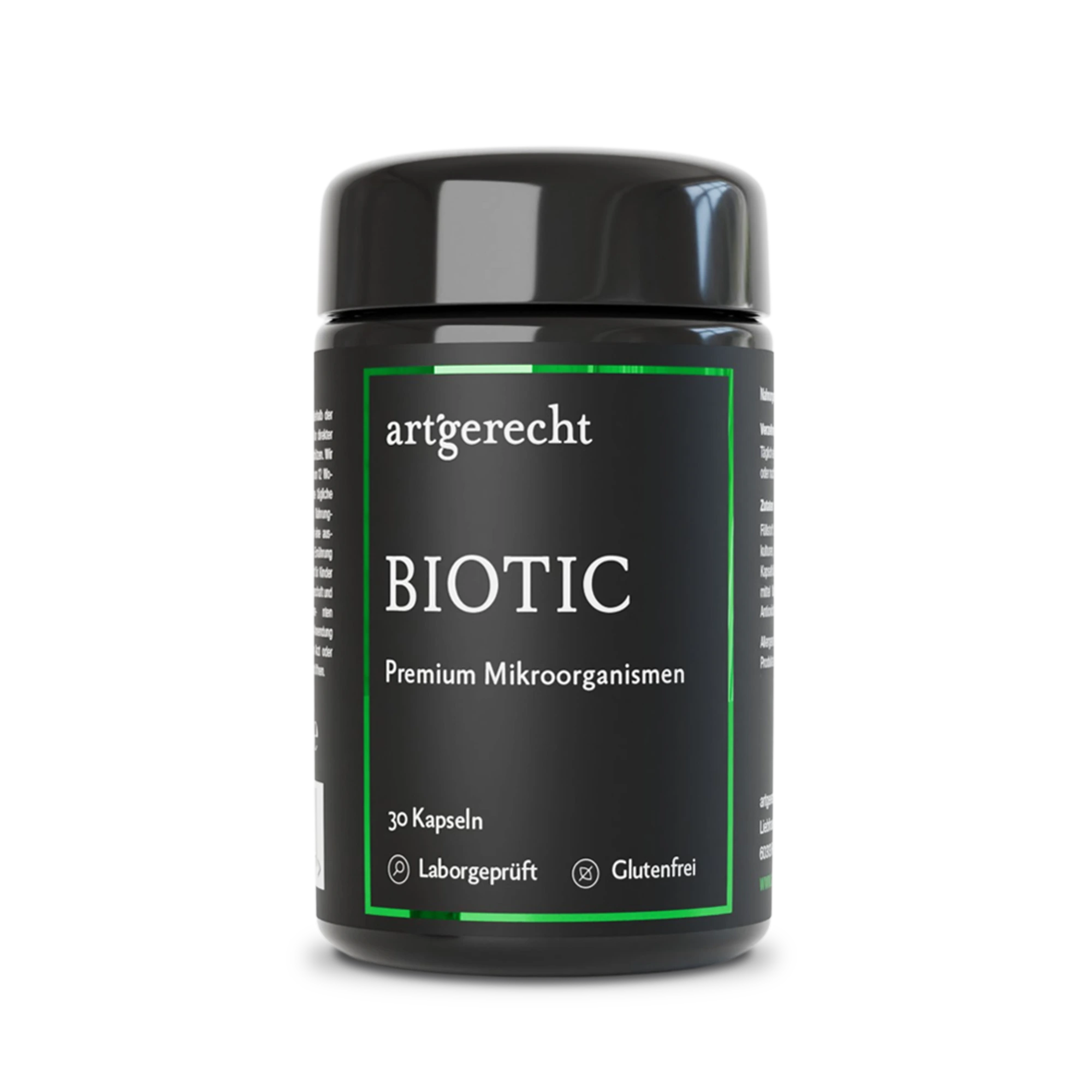
For the support of your healthy gut flora
Specifically cultivated symbiotic microorganisms, tailored to the human gut

Give Your Gut a Fresh Start
A 30-day RESET Gut Cleanse with three objectives: restore gut balance, prevent modern diseases, and naturally lose weight in a healthy way.
Best-selling products

For your universal protection
As one of the most valuable proteins in the body, lactoferrin is a natural component of the immune system.

For your iron balance
Specially formulated for your iron balance with plant-based curry leaf iron, Lactoferrin CLN®, and natural Vitamin C from rose hips.

For Healthy Oral Flora & Dental Care
Formulated lozenges with Dentalac®, probiotic lactic acid bacteria, and Lactoferrin CLN®The latest entries
3 Posts in this encyclopedia categoryMineral Water Analysis
Acid-Base Buffering
Jejunum Regeneration
Most read entries
3 Posts in this encyclopedia categoryMagnesiumcarbonat
Cologne list
Calorie content
Related search terms: Microbiome Regulation + Microbiome-Regulation + Microbiome Regulation