


PCOS – Polycystic Ovary Syndrome Explained
Polycystic ovary syndrome (PCOS) is a common hormonal disorder affecting women of reproductive age, causing irregular periods, elevated androgen levels, and cyst formation on the ovaries.
Wissenswertes über "Polycystic Ovary Syndrome (PCOS)"
Polycystic ovary syndrome (PCOS) is a common hormonal disorder affecting women of reproductive age, causing irregular periods, elevated androgen levels, and cyst formation on the ovaries.
What is Polycystic Ovary Syndrome (PCOS)?
Polycystic ovary syndrome (PCOS) is one of the most common hormonal and metabolic disorders affecting women of reproductive age. It is estimated to affect between 5 and 10 percent of women globally during their childbearing years. PCOS is characterized by an imbalance of reproductive hormones, which can lead to a wide range of physical and metabolic symptoms. The name refers to the small fluid-filled cysts that often develop on the ovaries, although not all women with PCOS develop these cysts.
Causes and Risk Factors
The exact cause of PCOS is not yet fully understood. It is widely believed to result from a combination of genetic, hormonal, and environmental factors.
- Insulin resistance: Many women with PCOS have cells that do not respond effectively to insulin. This leads to elevated insulin levels, which can stimulate the ovaries to produce excess male hormones known as androgens.
- Hormonal imbalance: Elevated androgen levels (such as testosterone) interfere with the normal development of egg follicles and the ovulation process.
- Genetic predisposition: PCOS tends to run in families, suggesting a hereditary component.
- Low-grade inflammation: Chronic low-grade inflammation may also contribute to excess androgen production.
- Obesity: Excess body weight, particularly abdominal fat, can worsen insulin resistance and intensify PCOS symptoms.
Symptoms
The symptoms of PCOS vary widely from person to person in terms of type and severity.
- Irregular or absent menstrual periods (oligomenorrhea or amenorrhea)
- Excess hair growth on the face, chest, or abdomen (hirsutism)
- Acne and oily skin, particularly in adulthood
- Hair thinning or loss on the scalp (androgenic alopecia)
- Weight gain, especially around the abdomen
- Difficulty conceiving due to infrequent or absent ovulation
- Small ovarian cysts visible on ultrasound
- Mood changes, depression, or anxiety
Diagnosis
PCOS is diagnosed using the Rotterdam criteria, which require at least two of the following three features to be present:
- Irregular or absent ovulation
- Clinical or biochemical signs of elevated androgen levels (hyperandrogenism)
- Polycystic ovaries visible on transvaginal ultrasound
Additional diagnostic tests may include:
- Blood tests: Hormone profile (LH, FSH, testosterone, insulin, blood glucose) and thyroid function tests
- Ultrasound (sonography): To assess the appearance of the ovaries
- Exclusion of other conditions: Disorders such as hypothyroidism, congenital adrenal hyperplasia, and hyperprolactinemia must be ruled out.
Treatment
PCOS cannot be cured, but its symptoms can be effectively managed. Treatment is tailored to the individual based on her specific symptoms and reproductive goals.
Lifestyle Changes
For women who are overweight, weight loss through a balanced diet and regular physical activity is the most effective first-line intervention. Even a 5 to 10 percent reduction in body weight can significantly improve menstrual regularity and hormone levels.
Medication
- Combined oral contraceptives (the pill): Regulate the menstrual cycle and reduce androgen levels — effective against acne and hirsutism.
- Metformin: Used to address insulin resistance and may also help restore regular ovulation.
- Clomiphene or Letrozole: Ovulation-inducing agents used for women who wish to conceive.
- Anti-androgens: Medications such as spironolactone or cyproterone acetate to manage hirsutism and acne.
Fertility Treatment
For women experiencing difficulty conceiving, options beyond ovulation induction include assisted reproductive technologies such as in vitro fertilization (IVF).
Long-Term Risks and Prevention
Women with PCOS are at increased risk of developing type 2 diabetes, cardiovascular disease, and endometrial cancer. Regular medical monitoring, a healthy lifestyle, and appropriate medical treatment are therefore important for long-term health management.
References
- Teede HJ et al. - Recommendations from the international evidence-based guideline for the assessment and management of polycystic ovary syndrome. Human Reproduction, 2018.
- World Health Organization (WHO) - Polycystic ovary syndrome. WHO Fact Sheet, 2023. Available at: https://www.who.int
- Azziz R et al. - Polycystic ovary syndrome. Nature Reviews Disease Primers, 2016.
Verwandte Produkte
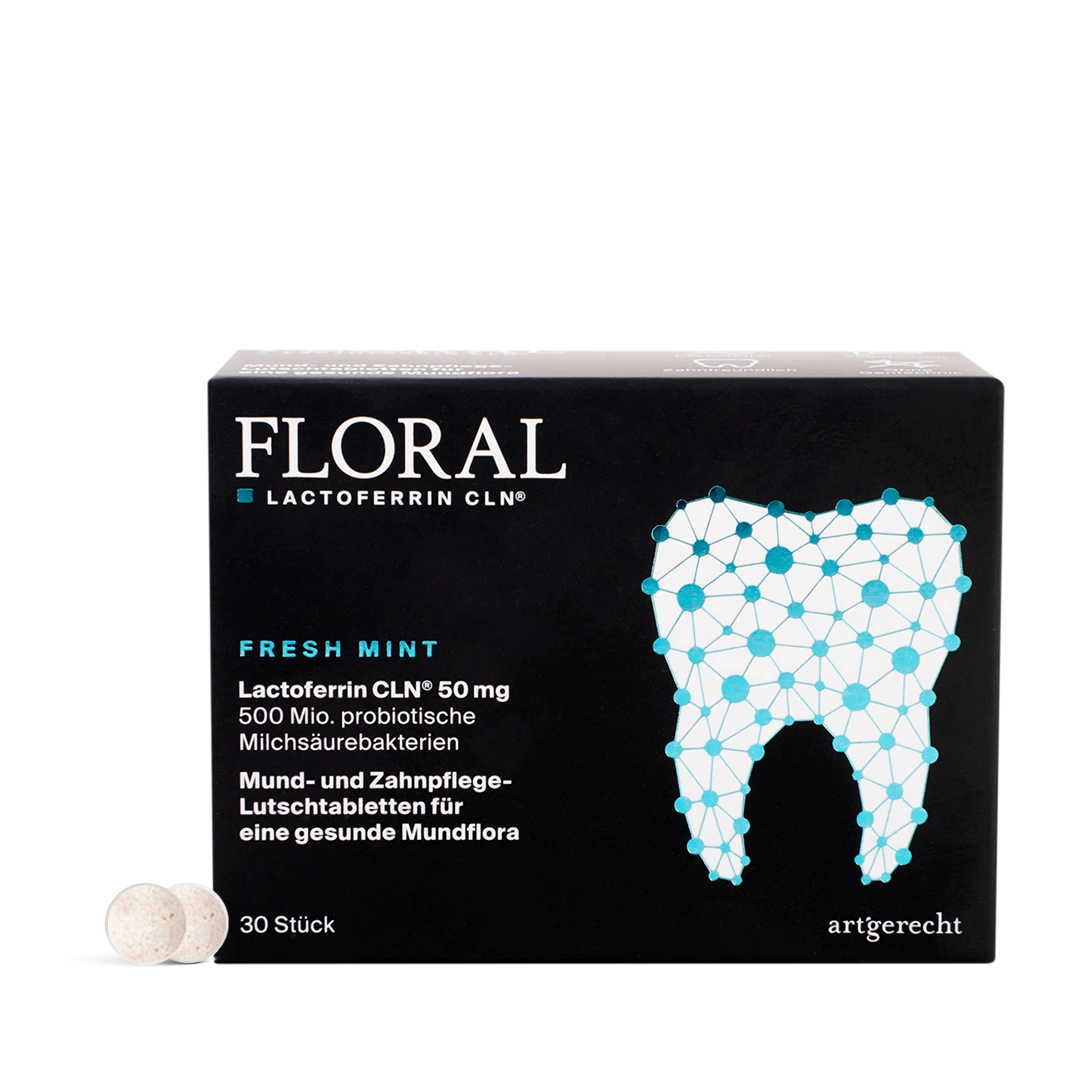
For Healthy Oral Flora & Dental Care
Formulated lozenges with Dentalac®, probiotic lactic acid bacteria, and Lactoferrin CLN®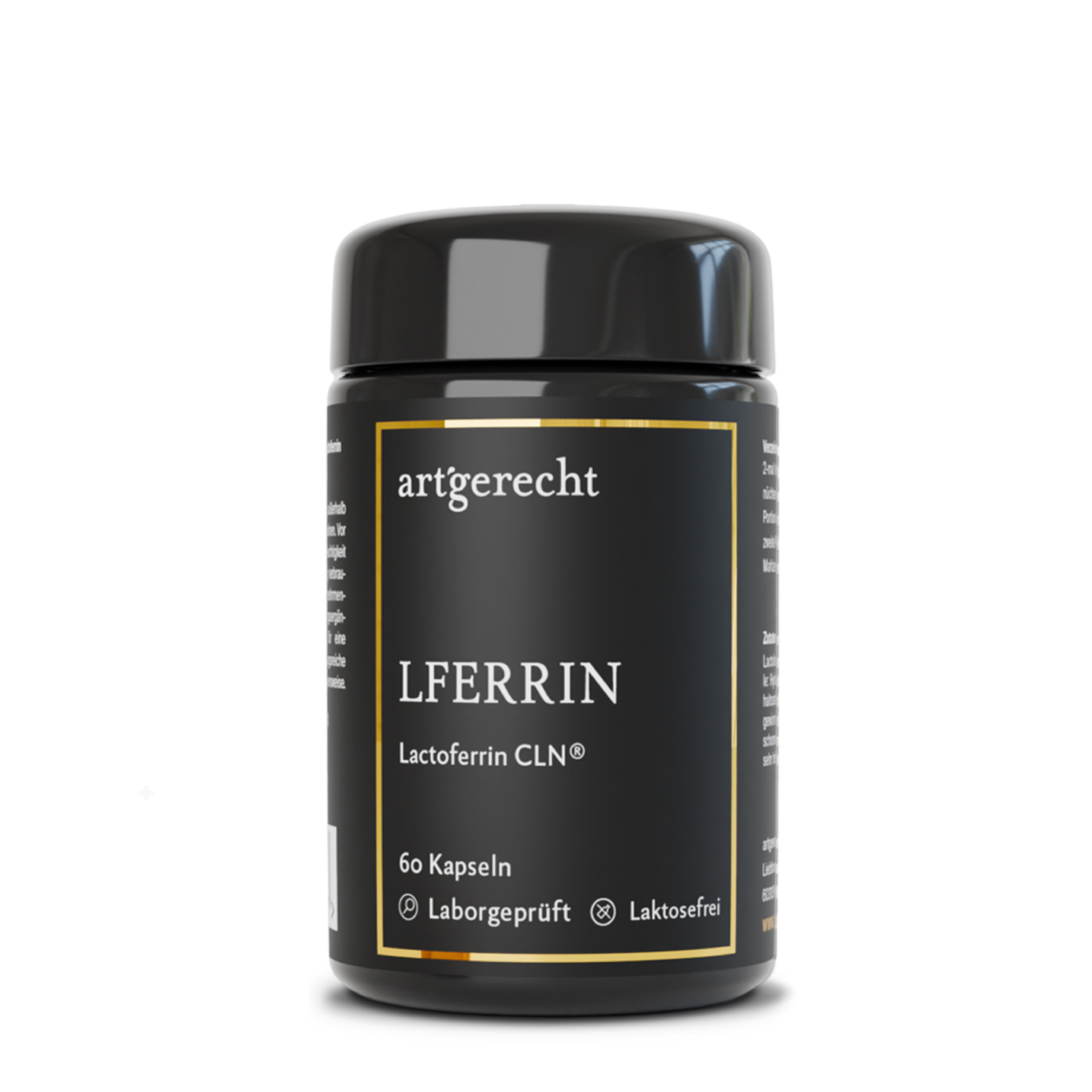
For your universal protection
As one of the most valuable proteins in the body, lactoferrin is a natural component of the immune system.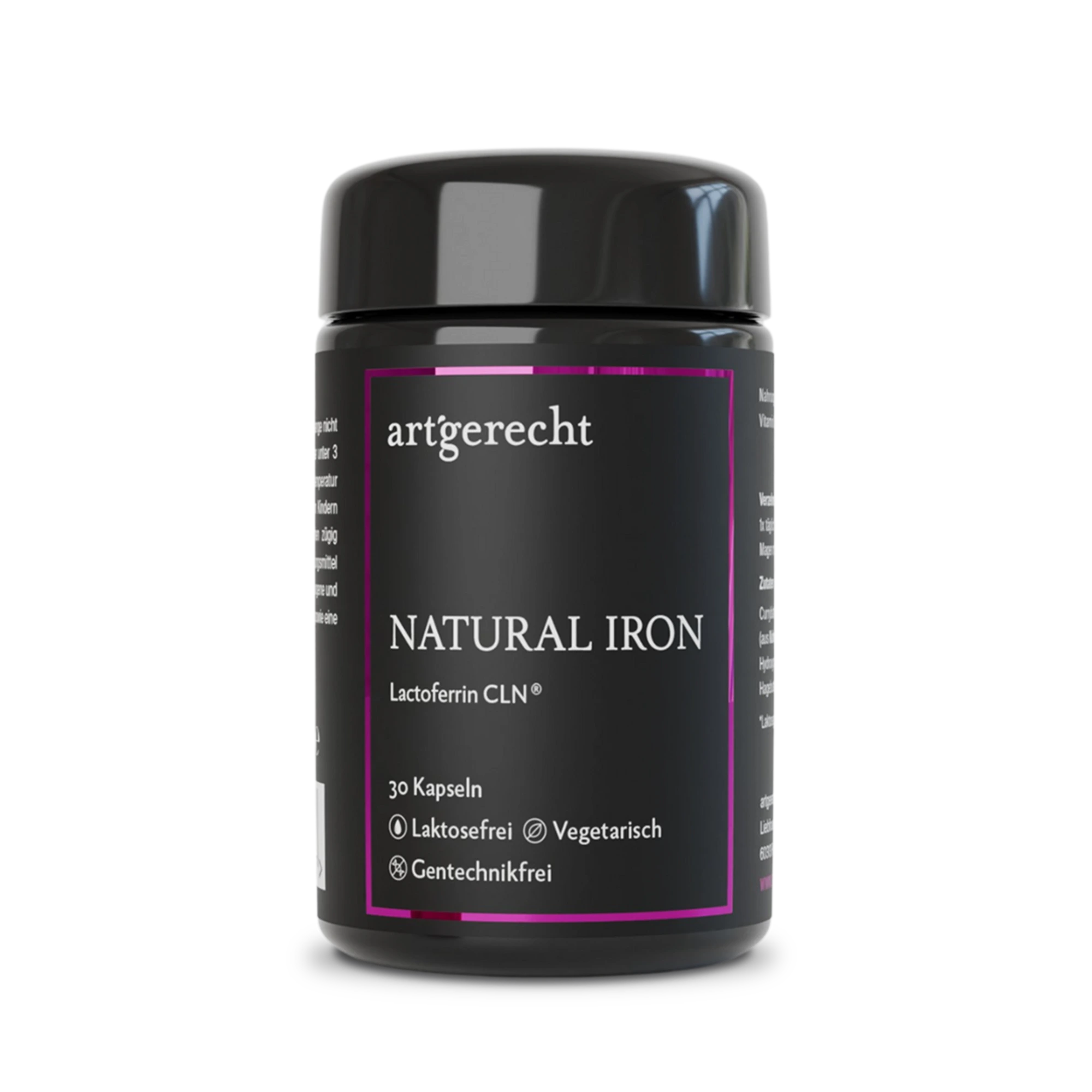
For your iron balance
Specially formulated for your iron balance with plant-based curry leaf iron, Lactoferrin CLN®, and natural Vitamin C from rose hips.
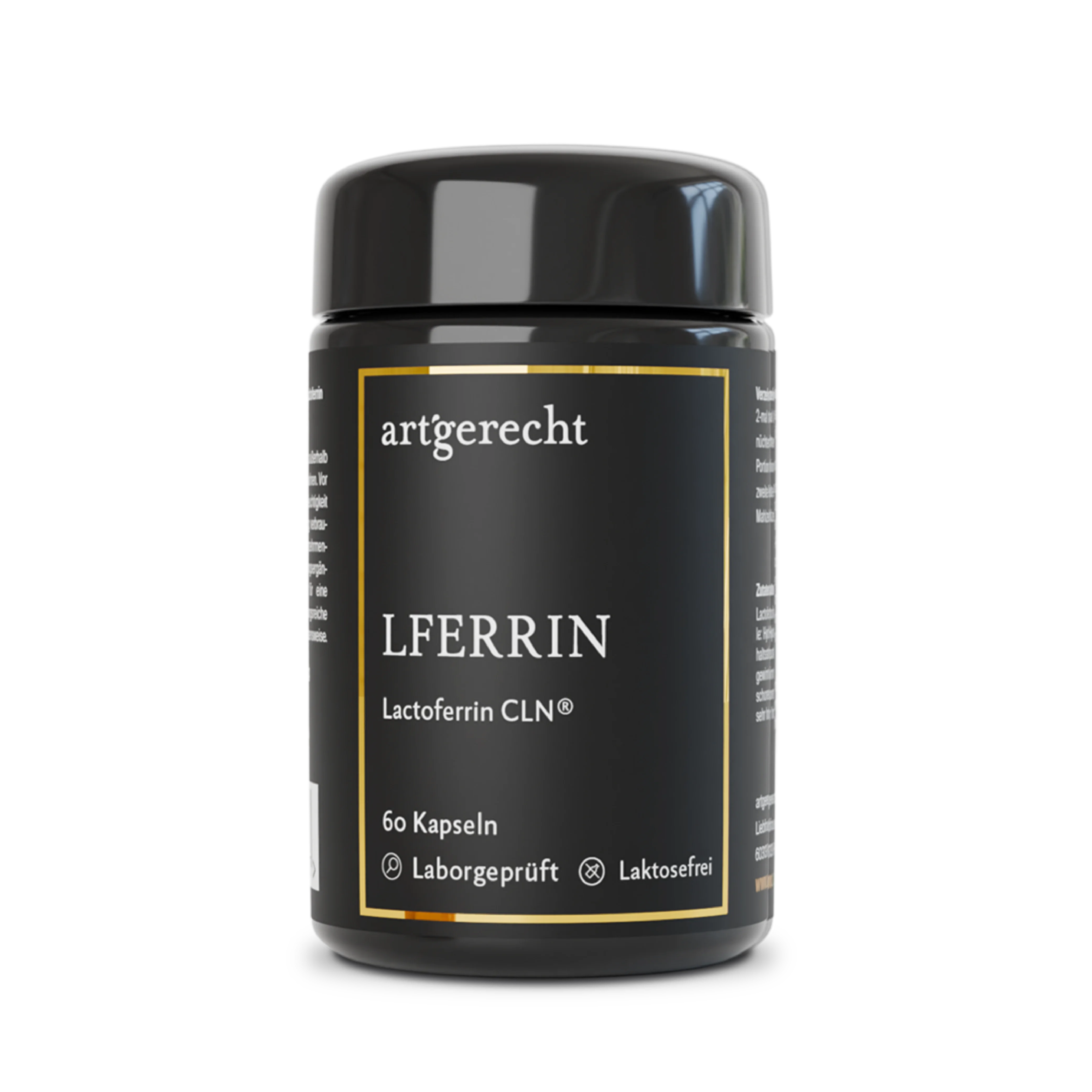
For your universal protection
As one of the most valuable proteins in the body, lactoferrin is a natural component of the immune system.
For your iron balance
Specially formulated for your iron balance with plant-based curry leaf iron, Lactoferrin CLN®, and natural Vitamin C from rose hips.
For Healthy Oral Flora & Dental Care
Formulated lozenges with Dentalac®, probiotic lactic acid bacteria, and Lactoferrin CLN®Die neusten Einträge
3 Posts in this encyclopedia categoryBirth Companionship
Functional Nutrients
Blood-Brain Barrier
Die meistgelesenen Einträge
3 Posts in this encyclopedia categoryMagnesiumcarbonat
Cologne list
Calorie content
Verwandte Suchbegriffe: Polycystic Ovary Syndrome + PCOS + Polycystic Ovarian Syndrome + PCO Syndrome