


Secondary metabolites - plant substances with health-promoting effects
Secondary substances such as polyphenols, carotenoids and flavonoids support cell protection and immune function. Find out more about their effects and sources.
Wissenswertes über "Secondary materials"
Secondary substances (secondary plant substances) are bioactive compounds that plants produce to defend themselves against pests, protect against UV radiation or produce colour.
For humans, secondary metabolites are not essential in the classic sense like vitamins or minerals - yet they have proven health-promoting effects. Many of these substances have antioxidant, anti-inflammatory, antimicrobial or cholesterol-lowering and thus contribute to the prevention of chronic diseases .
Among the most important groups are the polyphenols (e.g. Flavonoids, OPC, Resveratrol), Carotenoids (e.g. B. lutein, beta-carotene), Saponins, Glucosinolates (e.g. from broccoli. e.g. from broccoli) and phytoestrogens such as isoflavones. Many of these substances are found in fruit, vegetables, nuts, pulses, tea and spices. A varied, plant-based diet is therefore crucial for an optimal supply of secondary nutrients.
In research, these substances are being investigated in particular in the context of cell protection, cardiovascular health, cardiovascular health., Intestinal microbiome, immune system and cancer prevention investigated. Dietary supplements with isolated secondary substances are available, but the effect is generally more synergistic in a natural combination with other nutrients. The targeted use of individual substances such as curcumin, Quercetin or OPC may still be therapeutically useful.Important groups of phytochemicals:
- Polyphenols (flavonoids, stilbenes, phenolic acids)
- Carotenoids (e.g. lycopene, lutein, luteinol, lutepine). e.g. lycopene, lutein, beta-carotene)
- Glucosinolates (v. especially in cruciferous vegetables such as broccoli, cabbage)
- Saponins (e.g. from legumes)
- Phytoestrogens (e.g. isoflavones from soya)
Health effects:
- Antioxidant cell protection
- Inflammation inhibition
- Support of heart, skin and blood vessels
- Protection against oxidative stress and DNA damage
- Positive effects on the intestinal microbiome
Literature references:
- Manach, C. et al. (2004): Polyphenols: food sources and bioavailability. Am J Clin Nutr.
- Liu, R.H. (2013): Health-promoting components of fruits and vegetables in the diet. Adv Nutr.
- Beecher, G.R. (2003): Overview of dietary flavonoids: nomenclature, occurrence and intake. J Nutr.
Verwandte Produkte
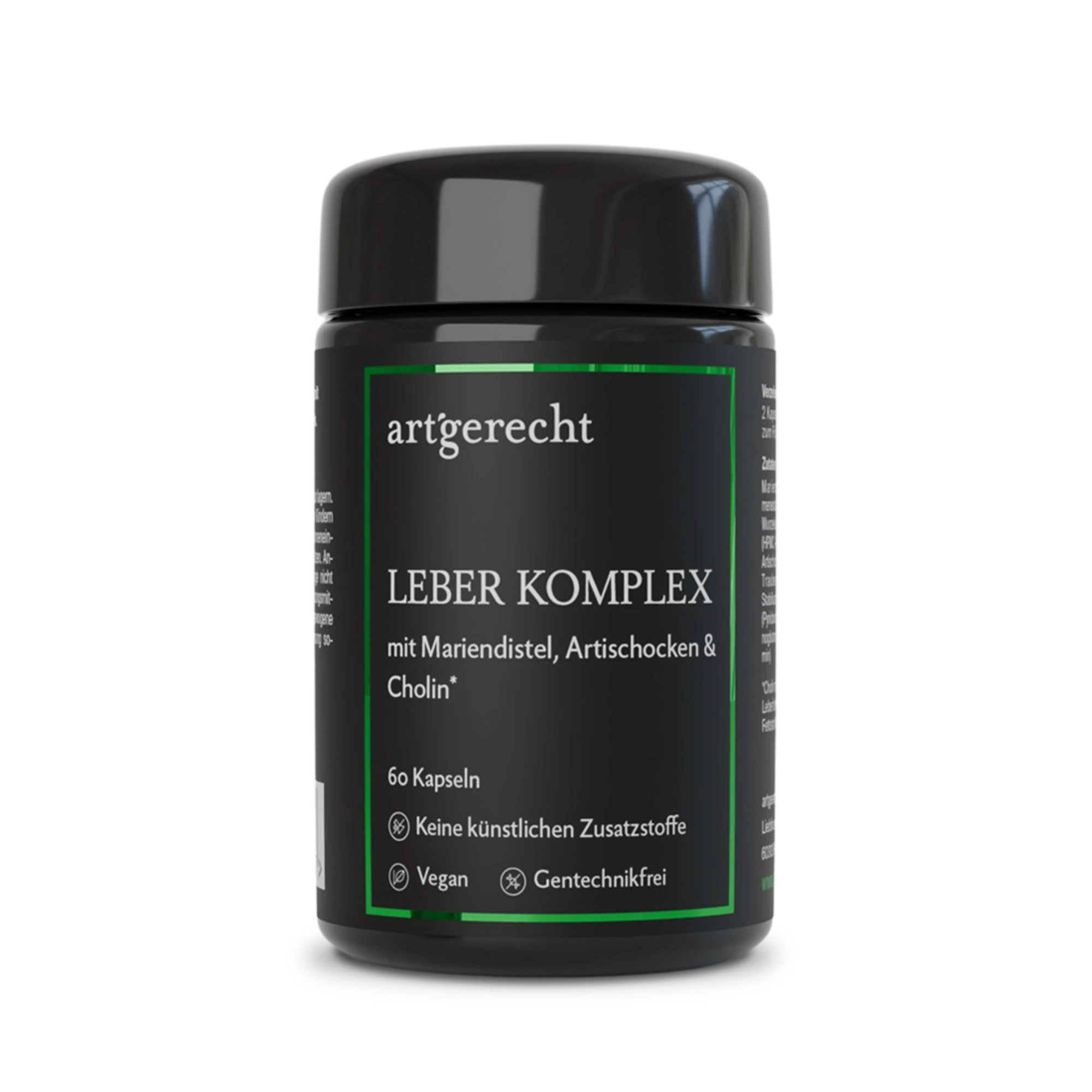
Plant-based support for your liver
Supports liver function with milk thistle, artichoke, choline & OPC
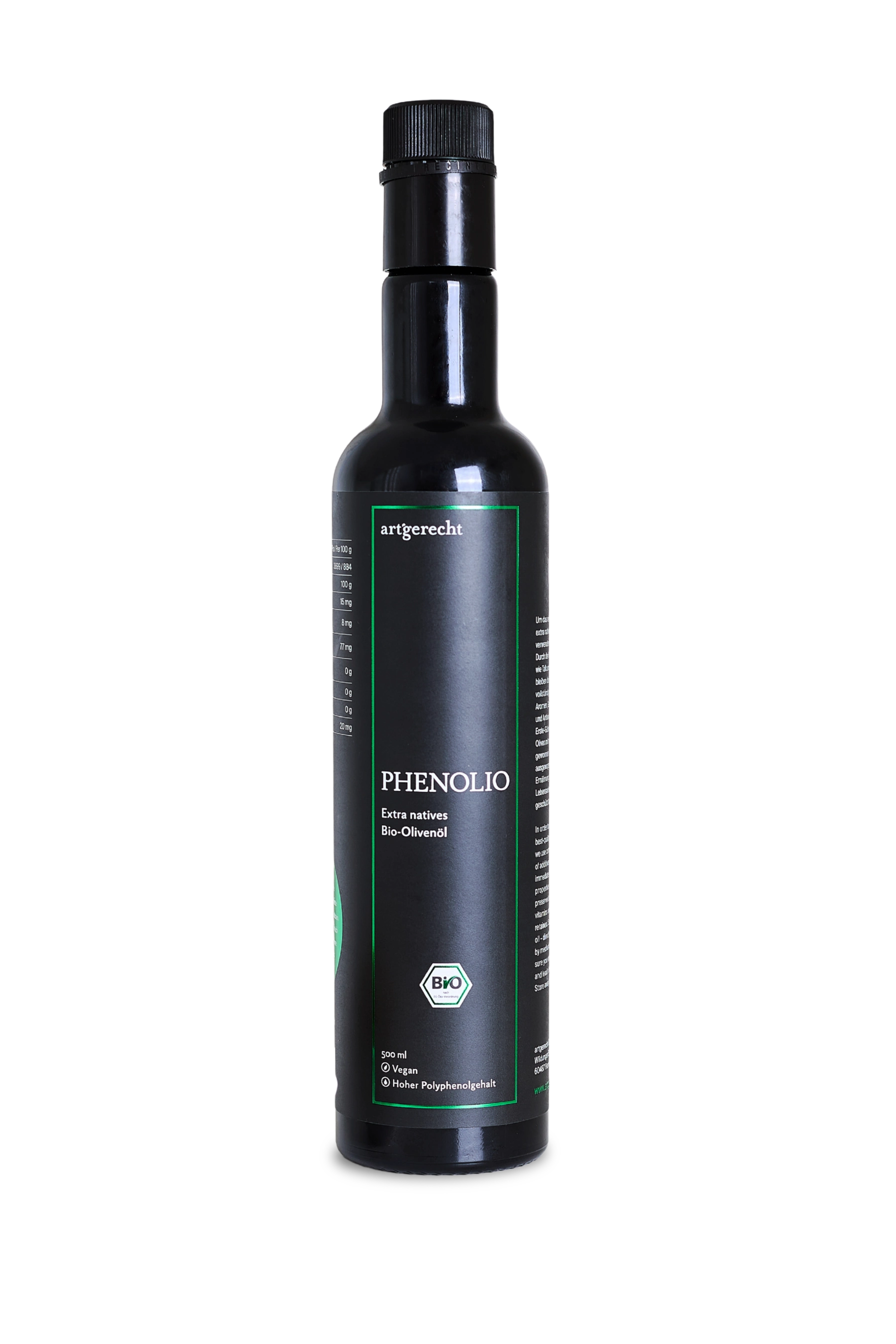
Organic Olive Oil with High Polyphenol Content
PHENOLIO is our premium olive oil with an exceptionally high concentration of polyphenols.
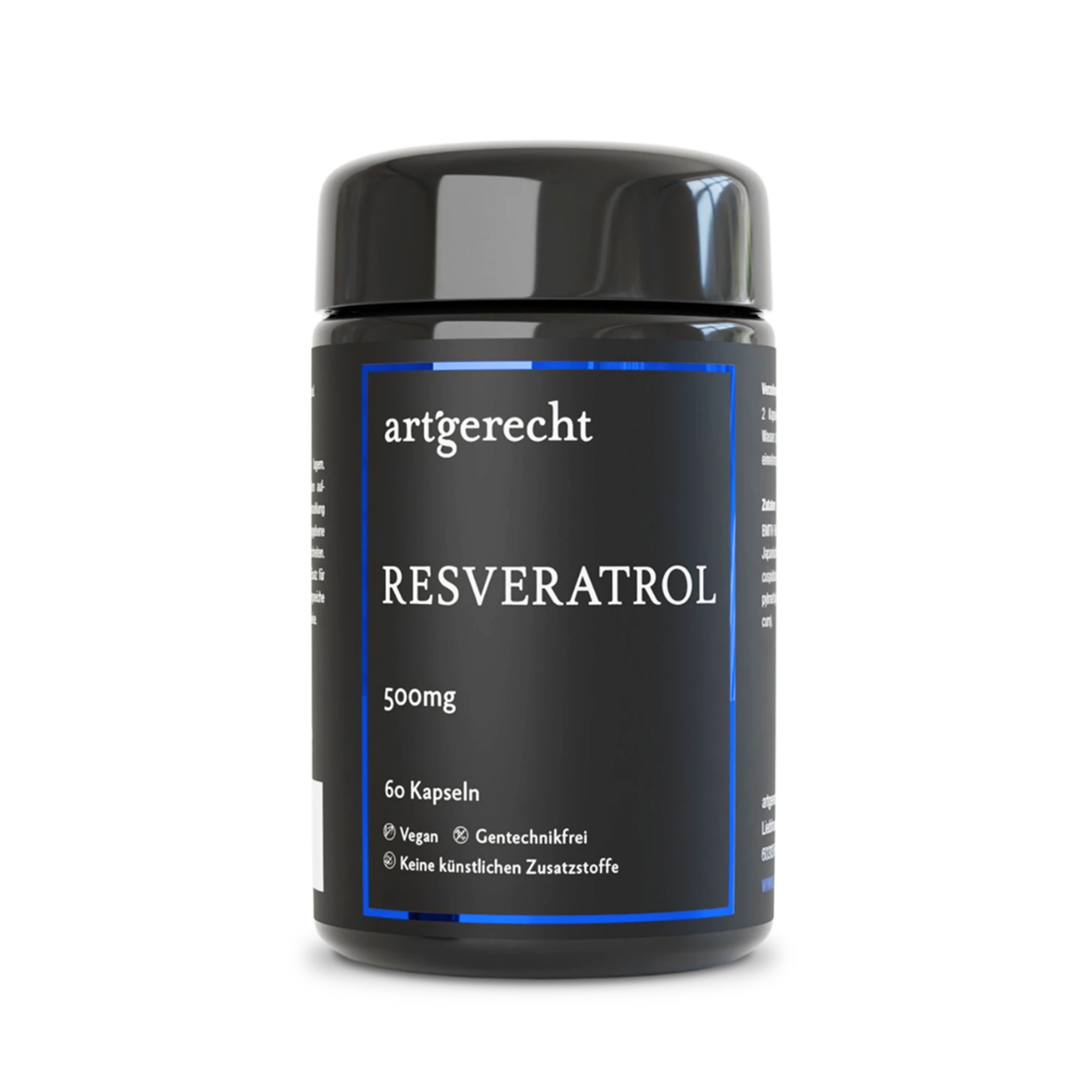
Cell Protection & Anti-Aging
One of the most potent polyphenols (also found in red wine) – ultra-pure, plant-based, antioxidantBest-selling products

For your universal protection
As one of the most valuable proteins in the body, lactoferrin is a natural component of the immune system.

For your iron balance
Specially formulated for your iron balance with plant-based curry leaf iron, Lactoferrin CLN®, and natural Vitamin C from rose hips.

For Healthy Oral Flora & Dental Care
Formulated lozenges with Dentalac®, probiotic lactic acid bacteria, and Lactoferrin CLN®The latest entries
3 Posts in this encyclopedia categorySleep Deprivation
Scar Tissue
Bulla Drainage
Most read entries
3 Posts in this encyclopedia categoryMagnesiumcarbonat
Cologne list
Calorie content
Related search terms: Secondary substances + secondary plant substances