


Diaphragm - function, importance and influence on breathing
The diaphragm is the most important respiratory muscle. Find out how it works and why it is so important for breathing, posture and organ health.
Wissenswertes über "Diaphragm"
The diaphragm is a dome-shaped muscle tendon plate that separates the chest cavity from the abdominal cavity.
The diaphragm is the most important breathing muscle in the body and plays a central role in inhaling and exhaling, but also in stabilising the trunk.inhalation and exhalation, but also in stabilising the torso and supporting the digestive organs. With every breath, the diaphragm actively lowers, creating a vacuum in the lungs that allows air to flow in.
The diaphragm is closely connected to the vegetative nervous system and has an influence via the
Targeted breathing exercises, physiotherapeutic mobilisation or osteopathic treatment can help to support the function of the diaphragm, especially in cases of chronic tension, respiratory diseases, Long-COVID or functional complaints in the upper abdomen.
Main functions of the diaphragm:
- Primary respiratory muscle (inhalation by contraction)
- Separation of the thoracic and abdominal cavities
- Support of the trunk stability (v. a. in conjunction with pelvic floor & abdominal muscles)
- Pressure regulation in the abdominal cavity (important for digestion, bowel movements, birth)
- Influence on venous return and lymphatic flow
Dysfunctions & symptoms of a dysfunctional diaphragm:
- Shallow chest breathing, shortness of breath
- heartburn, feeling of pressure in the upper abdomen
- Increased feeling of stress, restlessness, reduced resilience
- As a result: Restricted organ function (e.g. digestion e.g. digestion, detoxification)
Therapy & supportive measures:
- Breathing therapy, diaphragm mobilisation, Yoga, Singing, Wind instruments
- Magnesium and Omega-3 for muscle relaxation and inflammation reduction
- Osteopathic treatment for functional complaints
- Osteopathic treatment for functional complaints
- Training of diaphragmatic breathing to reduce stress and improve body awareness
Literature references
- Bordoni, B. et al. (2013): The diaphragm: not just a respiratory muscle. J Multidiscip Healthc.
- Kolar, P. et al. (2012): Postural function of the diaphragm in persons with and without chronic low back pain. J Orthop Sports Phys Ther.
- Chaitow, L. (2014): The Respiratory System: Structure and Function in Normal and Dysfunctional Breathing.
Verwandte Produkte
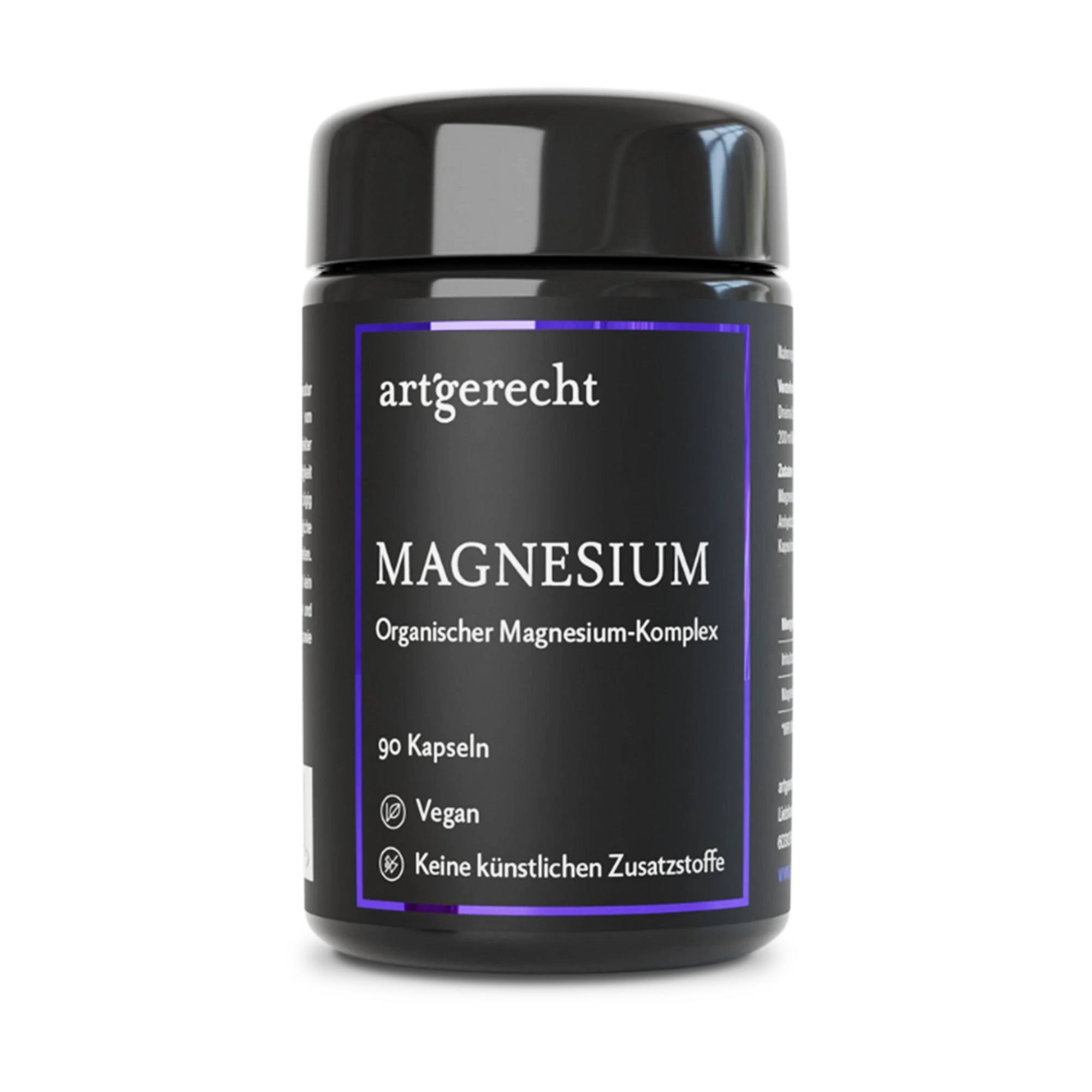
For your daily magnesium needs
Organic magnesium complex to reduce fatigue and tiredness and support normal muscle function
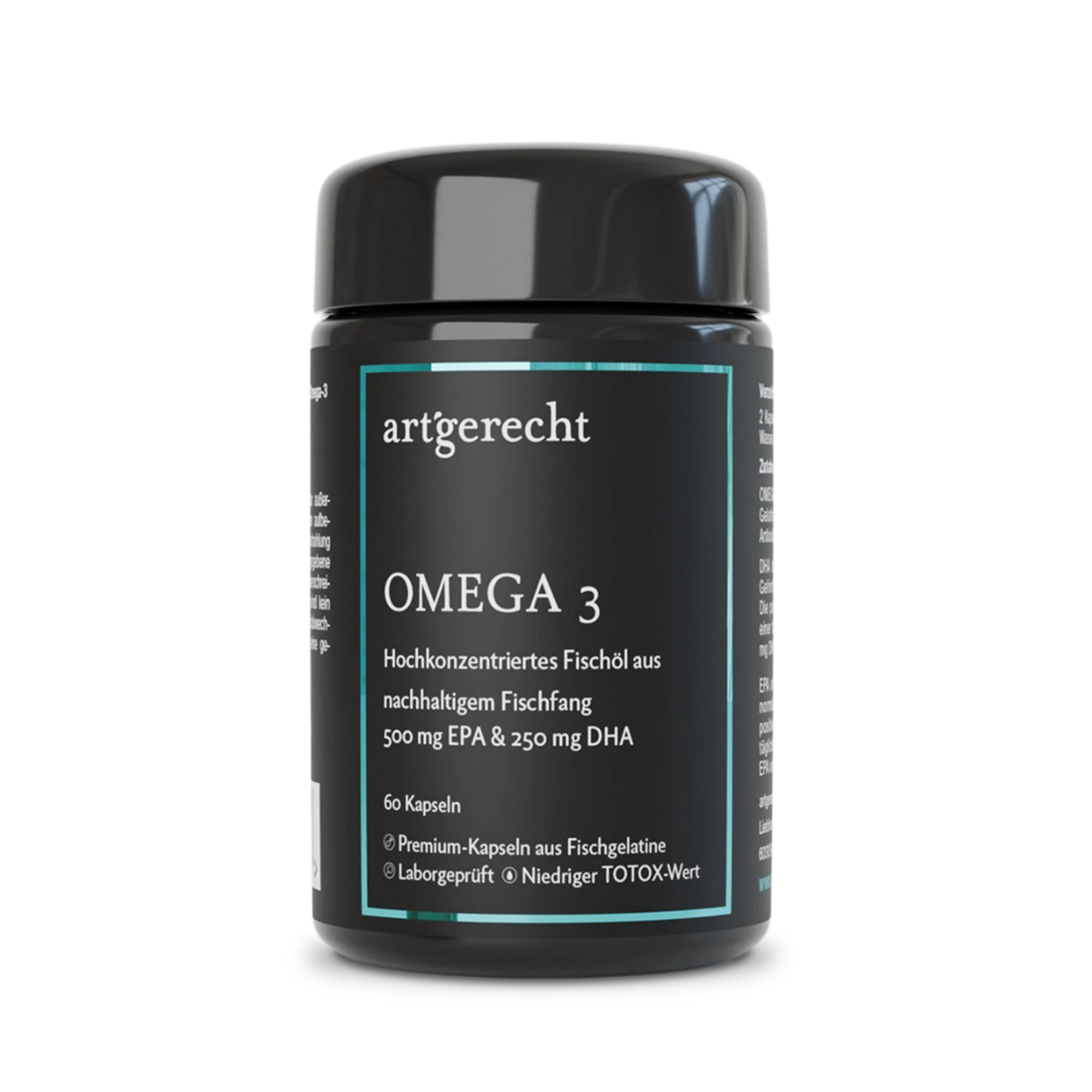
For Your Eyes, Heart, and Brain
High content of essential Omega-3 fatty acids EPA and DHA, sourced from sustainable fishing.
Best-selling products

For your universal protection
As one of the most valuable proteins in the body, lactoferrin is a natural component of the immune system.

For your iron balance
Specially formulated for your iron balance with plant-based curry leaf iron, Lactoferrin CLN®, and natural Vitamin C from rose hips.

For Healthy Oral Flora & Dental Care
Formulated lozenges with Dentalac®, probiotic lactic acid bacteria, and Lactoferrin CLN®The latest entries
3 Posts in this encyclopedia categoryCerebellar Degeneration
Serum Albumin
Facial Nerve Palsy
Most read entries
3 Posts in this encyclopedia categoryMagnesiumcarbonat
Cologne list
Calorie content
Related search terms: Diaphragm + diaphragm pain