


Protein – Functions, Daily Needs & Food Sources
Learn about protein: essential for muscles, metabolism, and health. Discover daily requirements and best animal and plant-based sources.
Wissenswertes über "Protein"
Protein is an essential macronutrient made up of amino acids.
Protein is a vital building block for cells, muscles, hormones and enzymes. Without it, processes such as growth, tissue repair and metabolism would not function properly in the human body.
Protein-rich foods include meat, fish, eggs, dairy products, legumes, nuts, and certain grains. The quality of protein depends on its content of essential amino acids. By combining plant and animal protein sources, a high biological value can be achieved.
The daily protein requirement for adults is about 0.8 g per kilogram of body weight, but higher amounts are recommended for athletes, pregnant women, and the elderly. Protein deficiency may cause muscle weakness, immune impairment, and delayed wound healing, while sufficient intake supports vitality and metabolic health.
Key Facts about Protein
- Fundamental building block for cells, muscles, enzymes, and hormones
- Sources: animal and plant-based foods, ideally combined
- Requirement: ~0.8 g/kg body weight, higher for athletes and pregnancy
Verwandte Produkte
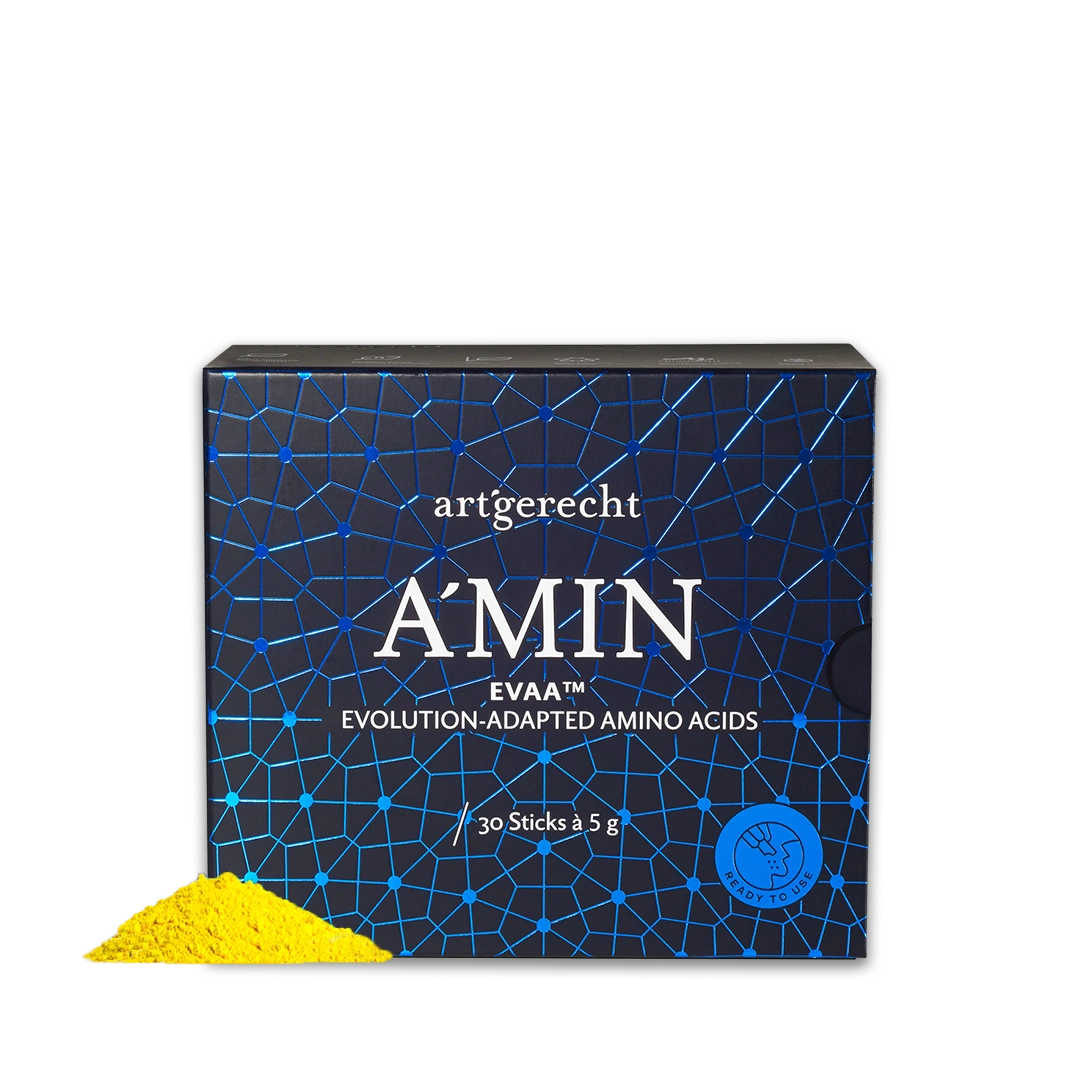
For Your Fast Recovery
Unique patented amino acid mix (EVAA™) for your recoveryBest-selling products

For your universal protection
As one of the most valuable proteins in the body, lactoferrin is a natural component of the immune system.

For your iron balance
Specially formulated for your iron balance with plant-based curry leaf iron, Lactoferrin CLN®, and natural Vitamin C from rose hips.

For Healthy Oral Flora & Dental Care
Formulated lozenges with Dentalac®, probiotic lactic acid bacteria, and Lactoferrin CLN®The latest entries
3 Posts in this encyclopedia categoryCytoplasmic Dynamics
Macronutrient Profile
Zonulin Marker
Most read entries
3 Posts in this encyclopedia categoryMagnesiumcarbonat
Cologne list
Calorie content
Related search terms: Protein