


Pediococcus - lactic acid bacteria with probiotic potential
Pediococcus are lactic acid bacteria with probiotic potential. Find out more about their effect on intestinal flora, immune defence and their use in food.
Wissenswertes über "Pediococcus"
Pediococcus are lactic acid bacteria with probiotic potential. Find out more about their effect on intestinal flora, immune defence and their use in food.
Pediococcus is a genus of Gram-positive bacterialactic acid-producing bacteria that play an important role in food technology and probiotic research. The spherical bacteria usually occur in tetrads (groups of four) and belong to the Lactobacillaceae family. Pediococcus strains occur naturally in fermented foods such as sauerkraut, pickled vegetables, raw sausages and certain cheeses, where they contribute to acidification, preservation and flavour development.
Some strains of Pediococcus, such as Pediococcus acidilactici or Pediococcus pentosaceus, show probiotic properties. They can survive in the gut, displace pathogenic germs, modulate the immune system and have an anti-inflammatory effect. Studies show that certain Pediococcus strains can help to improve the intestinal barrier, regulate the microbiota and reduce digestive complaints. They are often used in food supplements in combination with other probiotics such as Lactobacillus and Bifidobacterium.
In the food industry, Pediococcus is also used for the production of biologically preserved products. Their ability to produce lactic acid and often also bacteriocins - i.e. antimicrobial substances - makes them a valuable component of natural preservation strategies. They are also acid-tolerant, heat-stable and fermentatively active - properties that make them particularly suitable for fermentative processes. Their targeted use in functional nutrition and probiotics research is increasingly being researched.
Literature references:
- Leroy, F. & De Vuyst, L. (2004): "Lactic acid bacteria as functional starter cultures for the food fermentation industry". Trends in Food Science & Technology.
- Tenea, G. N. (2020): "Probiotic potential of Pediococcus strains isolated from traditional fermented foods". Microorganisms.
- Papagianni, M. (2003): "Ribosomally synthesised bacteriocins: the case of pediocin and its applications". International Journal of Antimicrobial Agents.
Verwandte Produkte
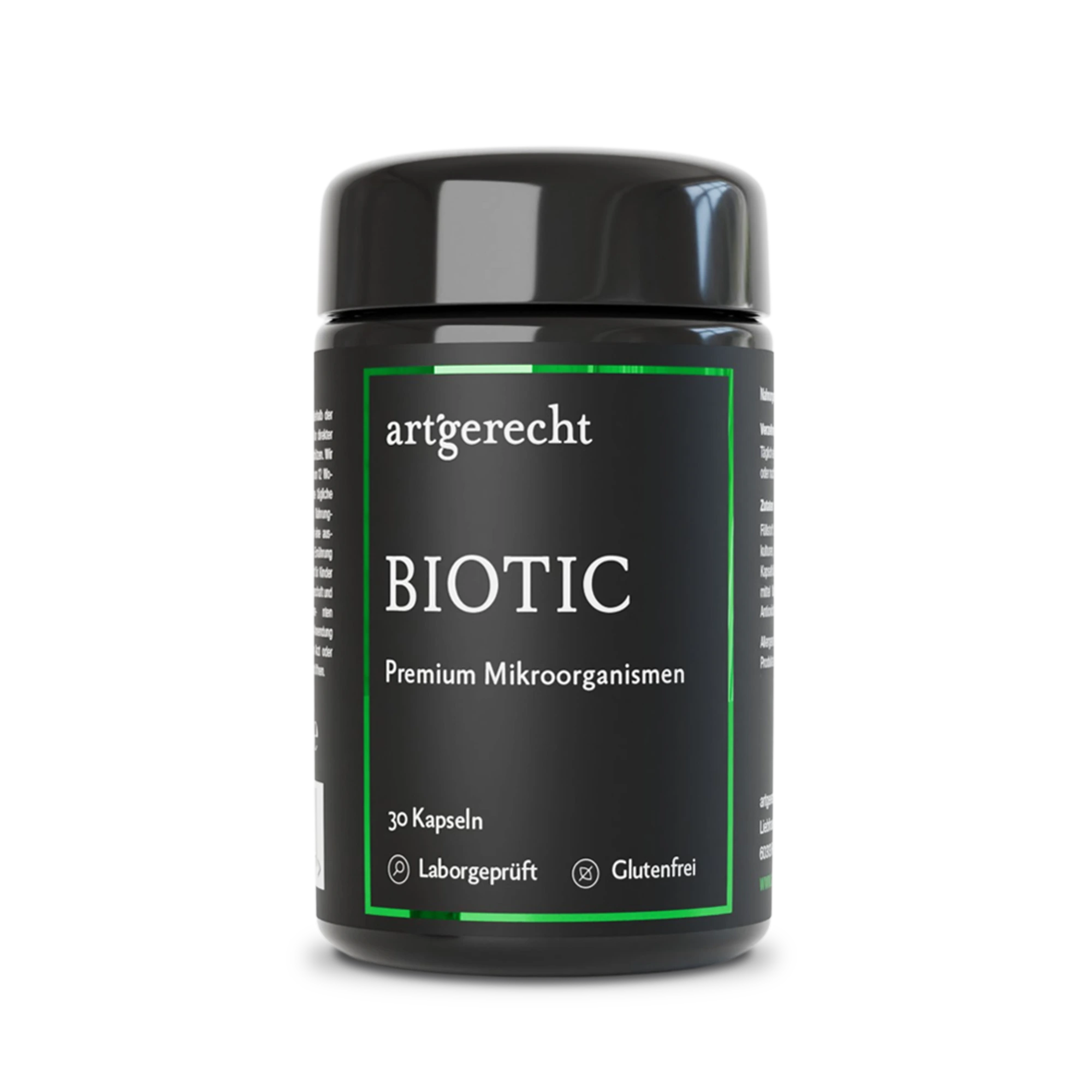
For the support of your healthy gut flora
Specifically cultivated symbiotic microorganisms, tailored to the human gut

For your universal protection
As one of the most valuable proteins in the body, lactoferrin is a natural component of the immune system.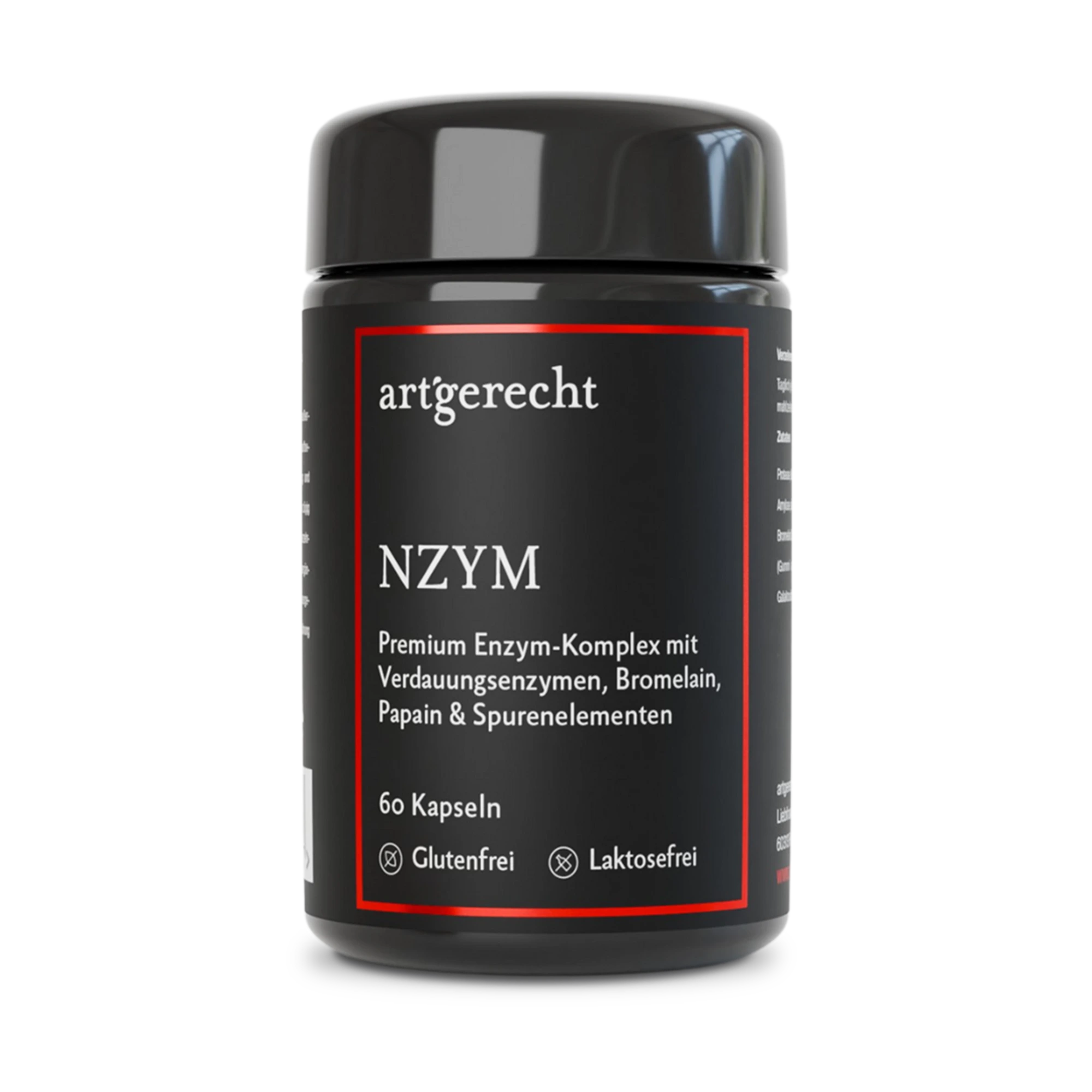
Natural Support for Your Digestion
The enzymes in NZYM can help restore balance to digestion. The enzymes in NZYM can help restore balance to digestion.Best-selling products

For your universal protection
As one of the most valuable proteins in the body, lactoferrin is a natural component of the immune system.

For your iron balance
Specially formulated for your iron balance with plant-based curry leaf iron, Lactoferrin CLN®, and natural Vitamin C from rose hips.

For Healthy Oral Flora & Dental Care
Formulated lozenges with Dentalac®, probiotic lactic acid bacteria, and Lactoferrin CLN®The latest entries
3 Posts in this encyclopedia categoryFatty Acid Methyl Esters
Liver Cell Regeneration
Eosinophil Migration
Most read entries
3 Posts in this encyclopedia categoryMagnesiumcarbonat
Cologne list
Calorie content
Related search terms: Pediococcus