


Animal hair allergy - symptoms, causes and what really helps
ier hair allergy manifests itself in sneezing, itchy eyes and breathing problems. Find out what triggers the allergy and how you can alleviate symptoms naturally.
Wissenswertes über "Animal hair allergy"
Animal hair allergy is an allergic reaction to proteins from animal dander, saliva or urine - not to the hair itself.
Particularly frequently affected people react to cats, dogs, horses, rodents or birds. The allergens bind to fine suspended particles and are thus easily dispersed through the air - even in places where there are no animals.
Typical symptoms are sneezing, runny nose, reddened or itchy eyes, cough and in severe cases breathlessness or asthmatic complaints. The symptoms often occur shortly after animal contact but can also occur with a time delay. As animal allergens are very persistent, exposure often persists even after the animal has been removed.
In addition to the classic treatment with antihistamines, nasal sprays and, if necessary inhalants natural strategies for immunomodulation are gaining in importance. These include lactoferrin, Vitamin C, Omega-3 fatty acids and quercetin, which has mast cell stabilising and inflammatory mechanisms can act. Intestinal health also plays a central role in allergic events. In severe cases, specific immunotherapy (hyposensitisation)Typical symptoms of an animal hair allergy:
- Sneezing, runny or stuffy nose
- itchy, reddened or watery eyes
- Cough, difficulty breathing, whistling breathing
- Worsening of existing asthma symptoms
- occurring immediately or several hours after contact
Triggering animals and allergens:
- Cats (Fel d 1) - very sticky, highly allergenic protein
- Dogs (Can f 1-6) - individually different
- Horses, guinea pigs, rabbits, hamsters, birds
- Allergens v. especially in saliva, skin flakes, urine, not in hair itself
Therapy and prevention approaches:
- Contact reduction or avoidance, if necessary. Animal relinquishment
- HEPA filterregular vacuuming, allergen-proof covers
- Antihistamines, Nasal sprays containing cortisone, inhalants
- Intestinal build-up to strengthen mucosal immunity
- Hyposensitisation (long-term habituation to the allergen)
Literature references
- Heinrich, J. et al (2001): Pet exposure and risk of allergic sensitisation. J Allergy Clin Immunol.
- Platts-Mills, T.A.E. (2007): The role of indoor allergens in asthma. Am J Respir Crit Care Med.
- Ciprandi, G. et al. (2020): Role of natural compounds in allergic diseases. Evid Based Complement Alternat Med.
Verwandte Produkte

For your universal protection
As one of the most valuable proteins in the body, lactoferrin is a natural component of the immune system.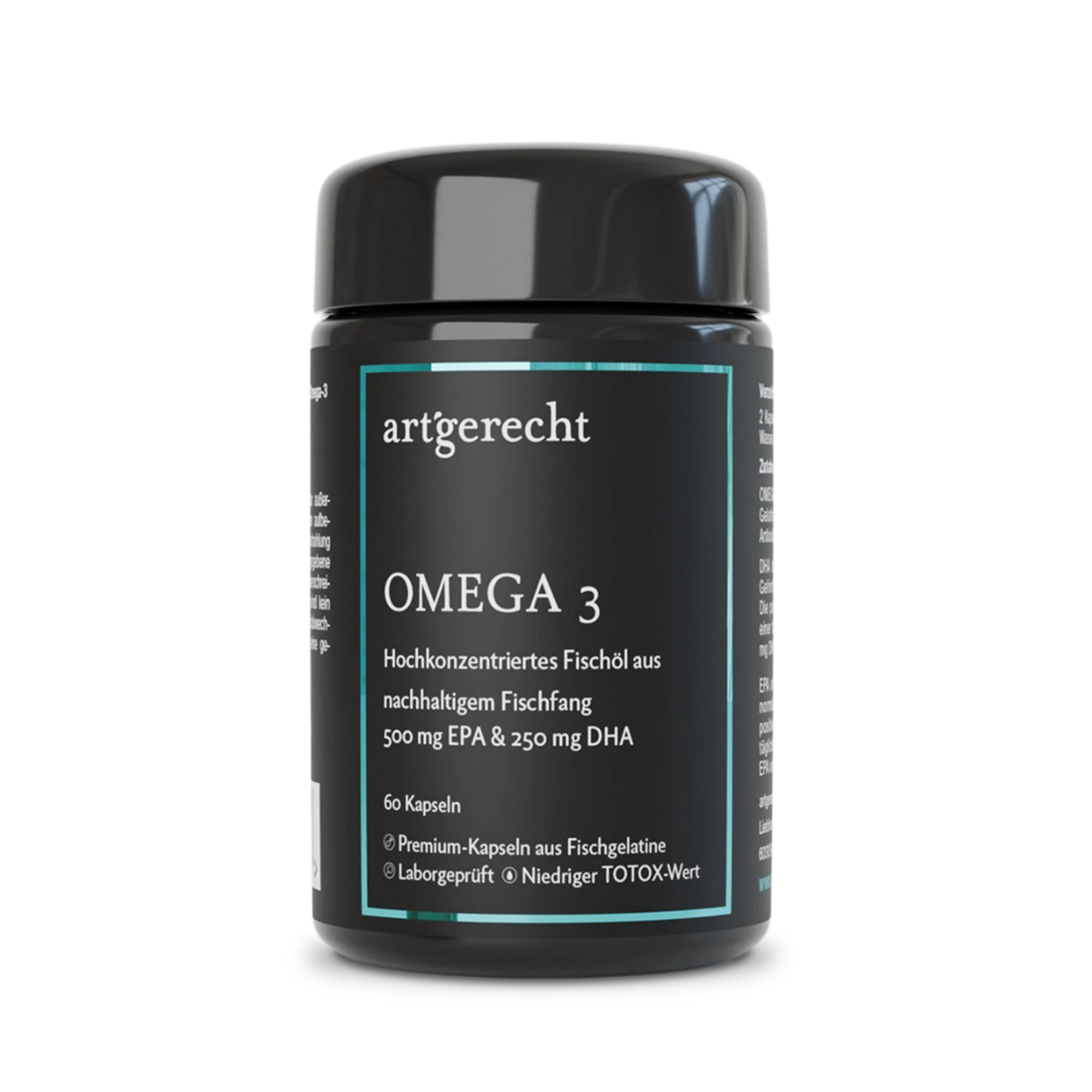
For Your Eyes, Heart, and Brain
High content of essential Omega-3 fatty acids EPA and DHA, sourced from sustainable fishing.
Best-selling products

For your universal protection
As one of the most valuable proteins in the body, lactoferrin is a natural component of the immune system.

For your iron balance
Specially formulated for your iron balance with plant-based curry leaf iron, Lactoferrin CLN®, and natural Vitamin C from rose hips.

For Healthy Oral Flora & Dental Care
Formulated lozenges with Dentalac®, probiotic lactic acid bacteria, and Lactoferrin CLN®The latest entries
3 Posts in this encyclopedia categoryAstrocytoma
Balneotherapy
Radial Head Fracture
Most read entries
3 Posts in this encyclopedia categoryMagnesiumcarbonat
Cologne list
Calorie content
Related search terms: Animal hair allergy + animal hair allergy symptoms