


Age-related itching - causes, symptoms and soothing measures
Age-related itching often occurs with dry skin in old age. Find out what triggers it, how to recognise it and what care and nutrients can help.
Wissenswertes über "Age-related itching"
Senile pruritus (pruritus senilis) refers to persistent or recurring itching in older people, often without visible skin changes.
The cause of age-related itching is usually a combination of age-related skin changes, dry skin slowed skin regeneration and a impaired skin barrier function. The itching frequently occurs on the extremities, on the back or on the flanks especially at night or after showering.
As we age, the activity of the sebaceous and sweat glands decreases, the skin becomes thinner, drier and loses its elastic structure. Also medications, liver or kidney diseases, diabetes, polypharmacy or neurodegenerative processes can favour age-related itching. In addition, the immune response changes with age, which results in increased sensitivity of the skin to irritation.
Renourishing, fragrance-free skincare products help to alleviate skin-friendly cleansing substances, regular moisturisation and the use of inflammation-modulating micronutrients wie Omega-3-Fettsäuren, Zink, Vitamin D, Lactoferrin or Curcumin. It is also important to have possible underlying diseases or systemic causes clarified by a doctor - especially in the case of therapy-resistant or generalised pruritus.
Typical characteristics of senile pruritus:
- Sensation of dryness, fine scaling
- Intensification with heat, after bathing or at night
- frequently chronic course, with irritant scratch marks
- Not an allergy or skin disease in the narrower sense
Main causes in old age:
- Dry, oily skin due to age-related changes
- Slowed cell regeneration, thinning epidermis
- Multimedication, e.g. B. Diuretics, statins, ACE inhibitors
- Chronic underlying diseases (diabetes, renal/liver insufficiency)
- Neurological factors (e.g. polyneuropathy)
Soothing measures and micronutrients:
- Basic care with urea, ceramides, panthenol, without fragrances
- Lukewarm shower, no soap, apply cream immediately afterwards
- Omega-3, Zinc, Vitamin D, Curcumin, Lactoferrin for the regulation of skin immunity
- Antipruriginosa locally (e.g. polidocanol, menthol). e.g. polidocanol, menthol, capsaicin)
- If necessary antihistaminergic or neuroactive medication for severe itching
Literature references
- Weisshaar, E. et al. (2013): Pruritus in the elderly - clinical approaches. Clin Dermatol.
- Ständer, S. et al. (2019): Definition, classification and diagnosis of pruritus. Allergy.
- Yosipovitch, G. et al. (2007): Chronic pruritus in the elderly: pathophysiology and treatment. Drugs Aging.
Verwandte Produkte
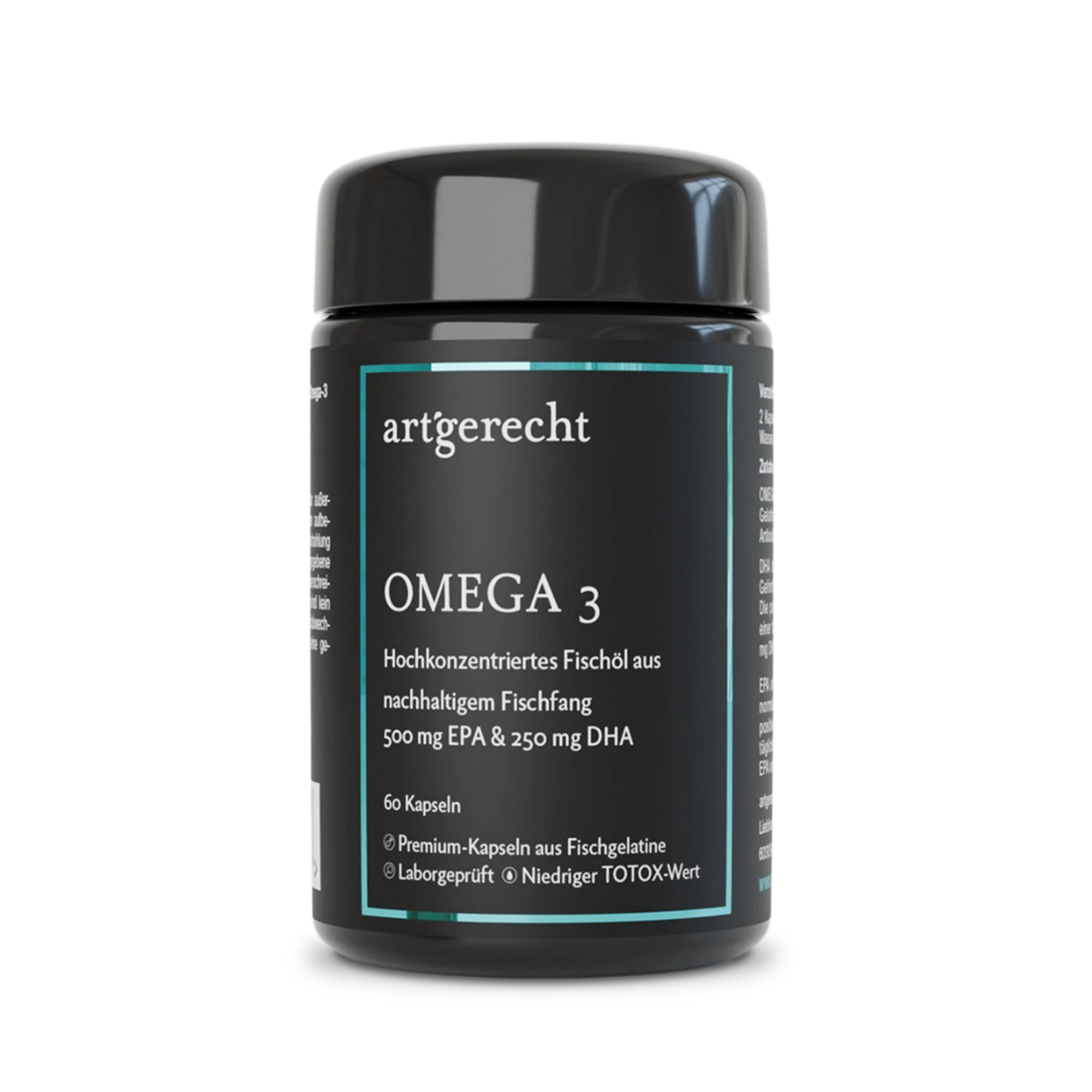
For Your Eyes, Heart, and Brain
High content of essential Omega-3 fatty acids EPA and DHA, sourced from sustainable fishing.
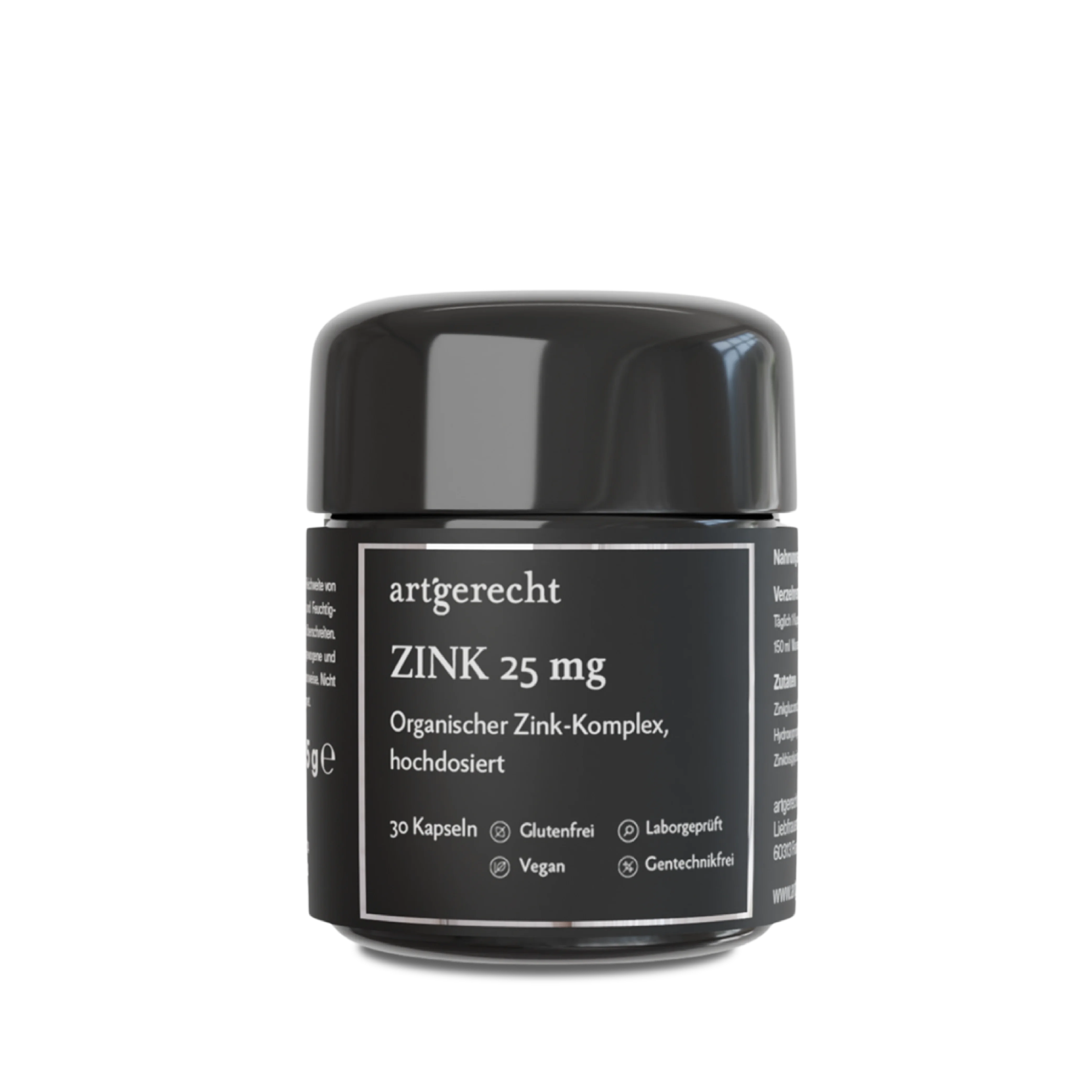
Essential trace element for your health & well-being
High-purity organic zinc compounds for the immune system, skin & hair
Best-selling products

For your universal protection
As one of the most valuable proteins in the body, lactoferrin is a natural component of the immune system.

For your iron balance
Specially formulated for your iron balance with plant-based curry leaf iron, Lactoferrin CLN®, and natural Vitamin C from rose hips.

For Healthy Oral Flora & Dental Care
Formulated lozenges with Dentalac®, probiotic lactic acid bacteria, and Lactoferrin CLN®The latest entries
3 Posts in this encyclopedia categorySideroblastic Disorder
Erythropoietin Level
Menorrhagia
Most read entries
3 Posts in this encyclopedia categoryMagnesiumcarbonat
Cologne list
Calorie content
Related search terms: Age-related itching