


E100 Curcumin: Food Colourant, Effects & Safety
E100 is the EU food additive code for curcumin, a natural yellow pigment derived from the turmeric root. It is used as a food colouring and is considered safe for consumption.
Wissenswertes über "E100"
E100 is the EU food additive code for curcumin, a natural yellow pigment derived from the turmeric root. It is used as a food colouring and is considered safe for consumption.
What is E100?
E100 is the official EU designation for curcumin, a natural colouring agent extracted from the root of the turmeric plant (Curcuma longa). Curcumin gives foods a characteristic yellow-orange colour and has been used for thousands of years in cooking and traditional medicine, particularly in South and Southeast Asia.
Origin and Production
The E100 colourant is derived from the dried and ground rhizomes (root stocks) of the turmeric plant. The active colour pigments are known as curcuminoids, with curcumin being the primary component. Extraction is carried out using solvent-based methods or mechanical processing of the root powder.
Use in Food Products
E100 is used as a food colourant in a wide variety of products, including:
- Mustard and mustard sauces
- Curry powders and spice blends
- Margarine and vegetable fats
- Cheese and dairy products
- Confectionery, baked goods, and snacks
- Instant soups and ready meals
- Beverages and dietary supplements
Safety and Regulatory Approval
E100 is authorised in the European Union under Regulation (EC) No 1333/2008 on food additives. The European Food Safety Authority (EFSA) has classified curcumin as safe for use in food. The acceptable daily intake (ADI) is set at 3 mg per kilogram of body weight per day. Under normal dietary consumption patterns, this limit is typically not exceeded.
Health Aspects and Bioactive Properties
Beyond its colouring function, curcumin has been extensively studied in scientific research for its potential health-promoting properties. Discussed effects include:
- Antioxidant activity: Curcumin can neutralise free radicals and reduce oxidative stress.
- Anti-inflammatory effects: Laboratory studies have shown that curcumin inhibits certain inflammatory mediators (e.g., the NF-kB signalling pathway).
- Potential supportive effects in joint complaints, digestive issues, and other conditions are being investigated in clinical trials.
Importantly, the bioavailability of curcumin from food is naturally low. Co-administration with piperine (found in black pepper) can significantly enhance absorption in the body. Most health-promoting effects have been demonstrated primarily in laboratory and animal studies; clinical evidence in humans remains limited.
Possible Intolerances and Interactions
E100 is well tolerated by most people. In very rare cases, sensitive individuals may experience allergic reactions or stomach irritation. When taking high-dose curcumin supplements, potential interactions with anticoagulant medications (e.g., warfarin) should be considered. Individuals who regularly take medications should consult a doctor before starting supplementation.
Labelling Requirements
Foods containing E100 must declare this additive in the ingredient list either as E100 or as curcumin. No special warning labelling (as required for certain synthetic food dyes) is mandated for E100.
References
- European Food Safety Authority (EFSA): Re-evaluation of curcumin (E 100) as a food additive. EFSA Journal, 2010.
- Regulation (EC) No 1333/2008 of the European Parliament and of the Council on food additives.
- Hewlings SJ, Kalman DS: Curcumin: A Review of Its Effects on Human Health. Foods, 2017; 6(10): 92.
Verwandte Produkte
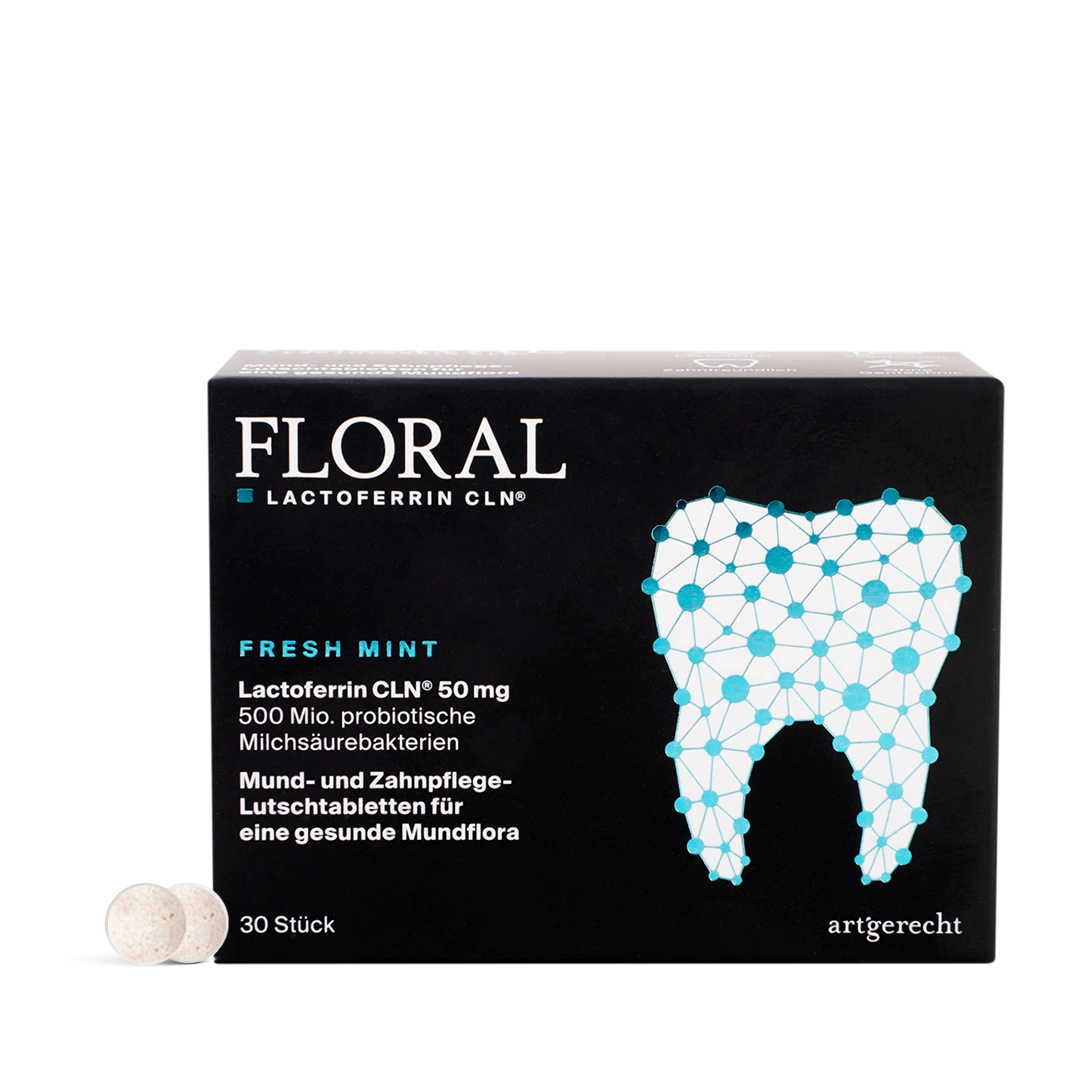
For Healthy Oral Flora & Dental Care
Formulated lozenges with Dentalac®, probiotic lactic acid bacteria, and Lactoferrin CLN®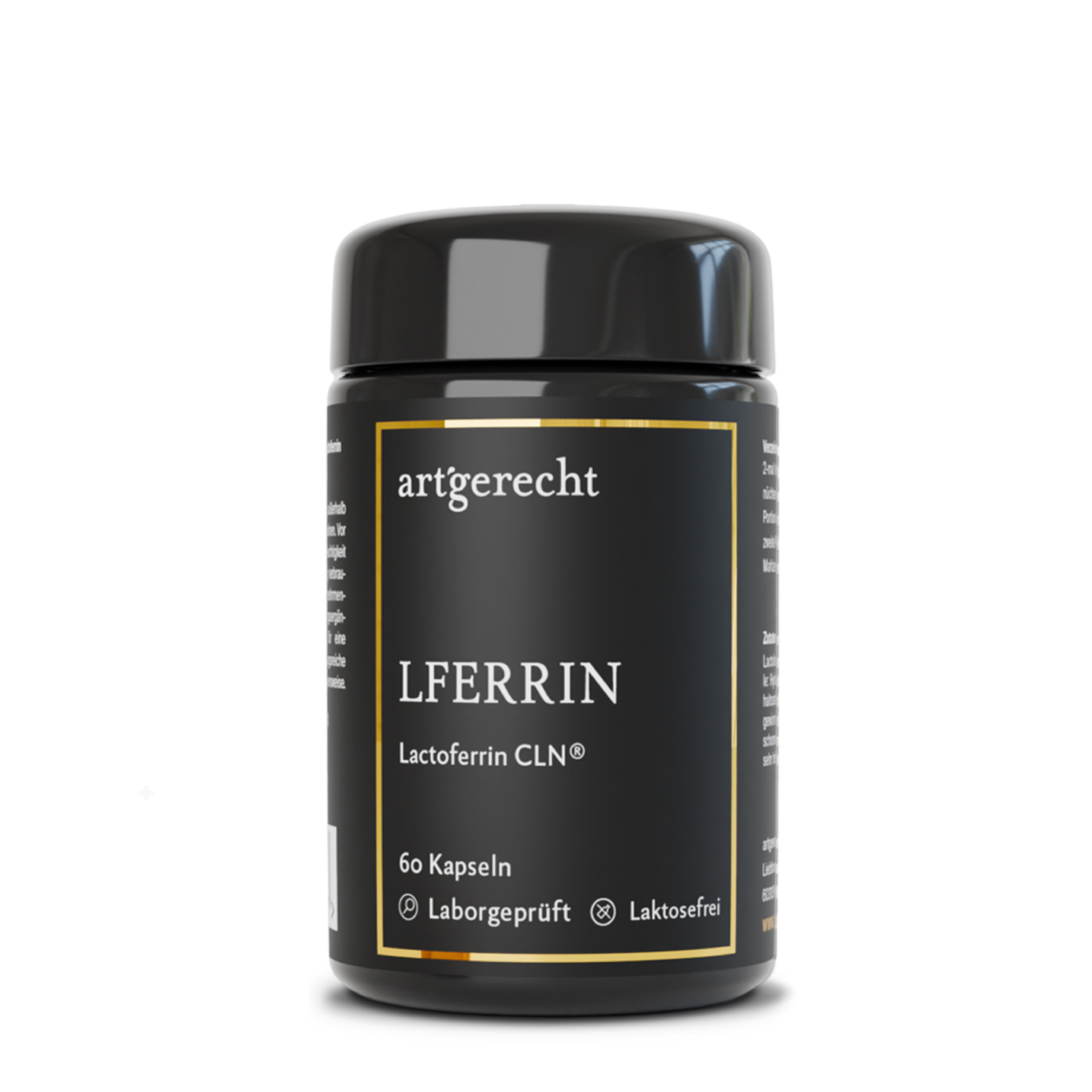
For your universal protection
As one of the most valuable proteins in the body, lactoferrin is a natural component of the immune system.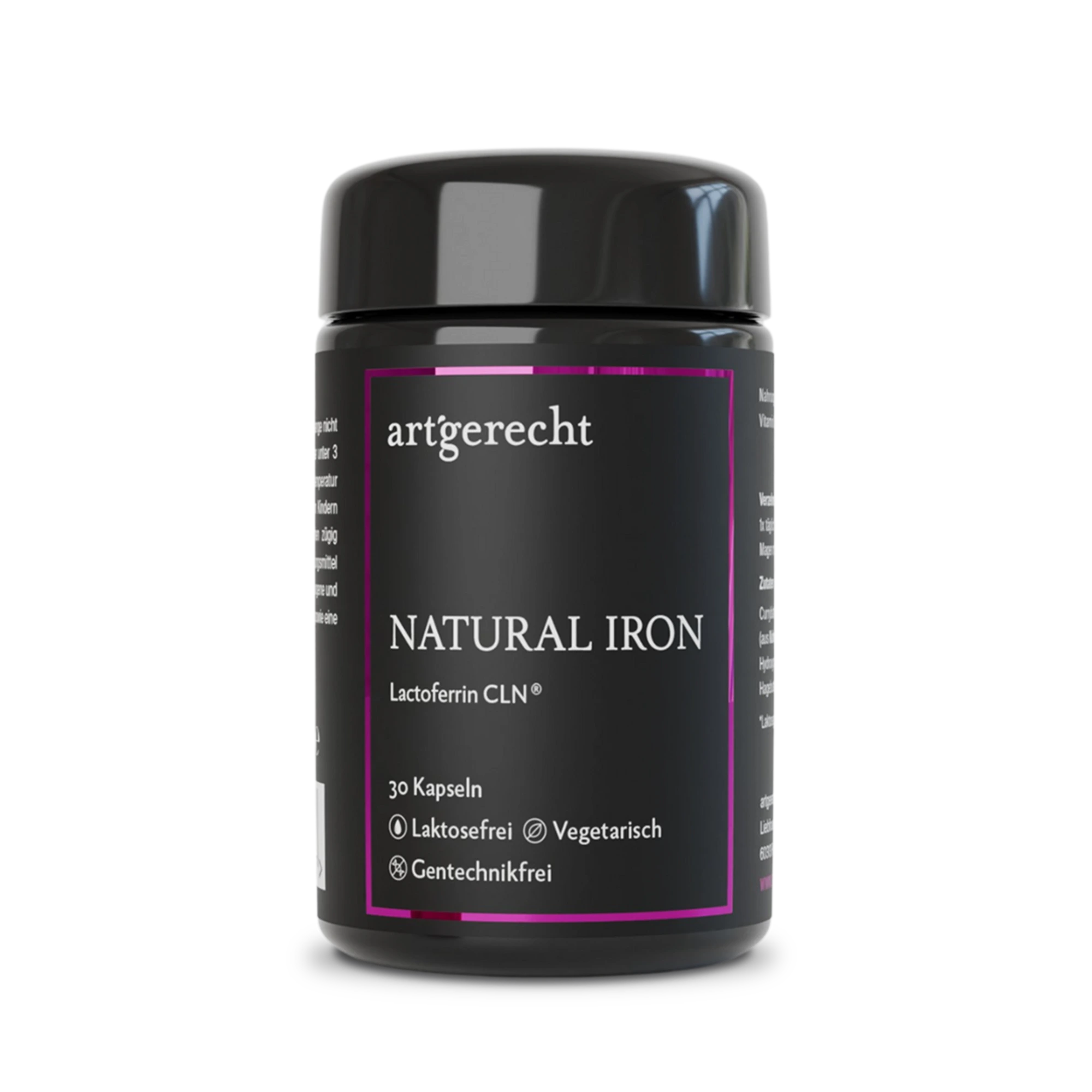
For your iron balance
Specially formulated for your iron balance with plant-based curry leaf iron, Lactoferrin CLN®, and natural Vitamin C from rose hips.
Best-selling products
For your universal protection
As one of the most valuable proteins in the body, lactoferrin is a natural component of the immune system.
For your iron balance
Specially formulated for your iron balance with plant-based curry leaf iron, Lactoferrin CLN®, and natural Vitamin C from rose hips.
For Healthy Oral Flora & Dental Care
Formulated lozenges with Dentalac®, probiotic lactic acid bacteria, and Lactoferrin CLN®The latest entries
3 Posts in this encyclopedia categoryCetirizine
Atorvastatin
Most read entries
3 Posts in this encyclopedia categoryMagnesiumcarbonat
Cologne list
Calorie content
Related search terms: E100 + Curcumin + Curcumine + E-100