
-
 DE
DE



Cholecalciferol (Vitamin D3): Benefits & Deficiency
Cholecalciferol is the natural form of vitamin D3, produced in the skin upon sunlight exposure. It is essential for bone health, immune function, and numerous metabolic processes.
Things worth knowing about "Cholecalciferol"
Cholecalciferol is the natural form of vitamin D3, produced in the skin upon sunlight exposure. It is essential for bone health, immune function, and numerous metabolic processes.
What is Cholecalciferol?
Cholecalciferol is the naturally occurring precursor form of vitamin D3 and belongs to the group of fat-soluble vitamins. It is synthesized in the skin from 7-dehydrocholesterol upon exposure to UVB radiation and can also be obtained through food and dietary supplements. In the body, cholecalciferol is converted in the liver to calcidiol (25-hydroxyvitamin D) and subsequently in the kidneys to the biologically active form calcitriol (1,25-dihydroxyvitamin D).
Biological Functions
Cholecalciferol fulfills numerous vital roles in the human body:
- Calcium and phosphate balance: Regulation of calcium and phosphate absorption in the intestine and their incorporation into bones and teeth.
- Bone health: Essential for bone mineralization and the prevention of rickets in children as well as osteomalacia and osteoporosis in adults.
- Immune system: Support of both innate and adaptive immune responses; anti-inflammatory properties.
- Muscle health: Contribution to muscle function and fall prevention, particularly in older adults.
- Cell growth and differentiation: Involvement in the regulation of cell growth and division.
Dietary Sources
The human body can produce cholecalciferol on its own, but endogenous production is often insufficient in many regions and lifestyles. Key dietary sources include:
- Fatty fish (salmon, herring, mackerel, tuna)
- Cod liver oil
- Egg yolks
- Fortified foods (e.g., milk, margarine, certain breakfast cereals)
- Mushrooms (in smaller amounts, especially after UV exposure)
Recommended Daily Intake
The World Health Organization (WHO) and major nutritional authorities recommend a daily intake of 600 to 800 IU (15-20 µg) of cholecalciferol for most adults, with higher recommendations of up to 800 IU (20 µg) for older adults. Individual requirements may vary depending on skin type, sun exposure, age, and health status.
Deficiency Symptoms
A vitamin D3 deficiency is widespread worldwide and can cause the following symptoms:
- Fatigue and general weakness
- Bone pain and muscle weakness
- Increased susceptibility to infections
- Rickets in children (bone deformities, delayed growth)
- Osteomalacia and osteoporosis in adults
- Depressive mood
At-Risk Groups for Deficiency
- Older adults with limited sun exposure
- People with darker skin tones living in low-sunlight regions
- Individuals who spend little time outdoors
- Exclusively breastfed infants
- People with malabsorption disorders (e.g., Crohn's disease, celiac disease)
- Individuals with obesity
Diagnosis
Vitamin D status is assessed by measuring the 25-hydroxyvitamin D (calcidiol) level in the blood. Values below 30 nmol/l (12 ng/ml) are classified as deficiency, values between 30 and 50 nmol/l as suboptimal. An optimal level is generally considered to be at least 50 nmol/l (20 ng/ml).
Supplementation and Dosage
Supplementation with cholecalciferol is recommended in cases of confirmed deficiency or elevated risk. Common doses for adults range from 800 to 2,000 IU per day, with higher doses used in medically supervised cases. Cholecalciferol supplements are available as drops, capsules, and tablets and should ideally be taken with a fat-containing meal, as vitamin D is fat-soluble.
Interactions and Side Effects
Excessive intake of cholecalciferol can lead to vitamin D toxicity (hypervitaminosis D), characterized by elevated blood calcium levels (hypercalcemia). Symptoms include nausea, vomiting, weakness, kidney problems, and in severe cases, cardiac arrhythmias. The tolerable upper intake level (UL) set by EFSA for adults is 4,000 IU (100 µg) per day. Interactions exist with certain anticonvulsants, corticosteroids, and cholestyramine, among others.
References
- Holick MF. - Vitamin D Deficiency. New England Journal of Medicine, 357(3):266-281 (2007). DOI: 10.1056/NEJMra070553
- European Food Safety Authority (EFSA): Dietary Reference Values for Vitamin D. EFSA Journal 14(10):4547 (2016). DOI: 10.2903/j.efsa.2016.4547
- World Health Organization (WHO): Vitamin D supplementation guidance. WHO Technical Report Series (2022). Available at: www.who.int

Building Blocks for a Healthy Life
As an integrated manufacturer, we develop & produce evidence-based, patented, and non-patented formulations. We work exclusively with plant and natural extracts according to the strictest purity & quality standards.
The combination of science & modern technology with the laws of nature creates solutions consistently tailored to humans – for the highest good: health.
Verwandte Produkte
Subscription available

Floral
For Healthy Oral Flora & Dental Care
Formulated lozenges with Dentalac®, lactic acid bacteria, and Lactoferrin CLN®30 lozenges
Regular price:
€22.90
Subscription available
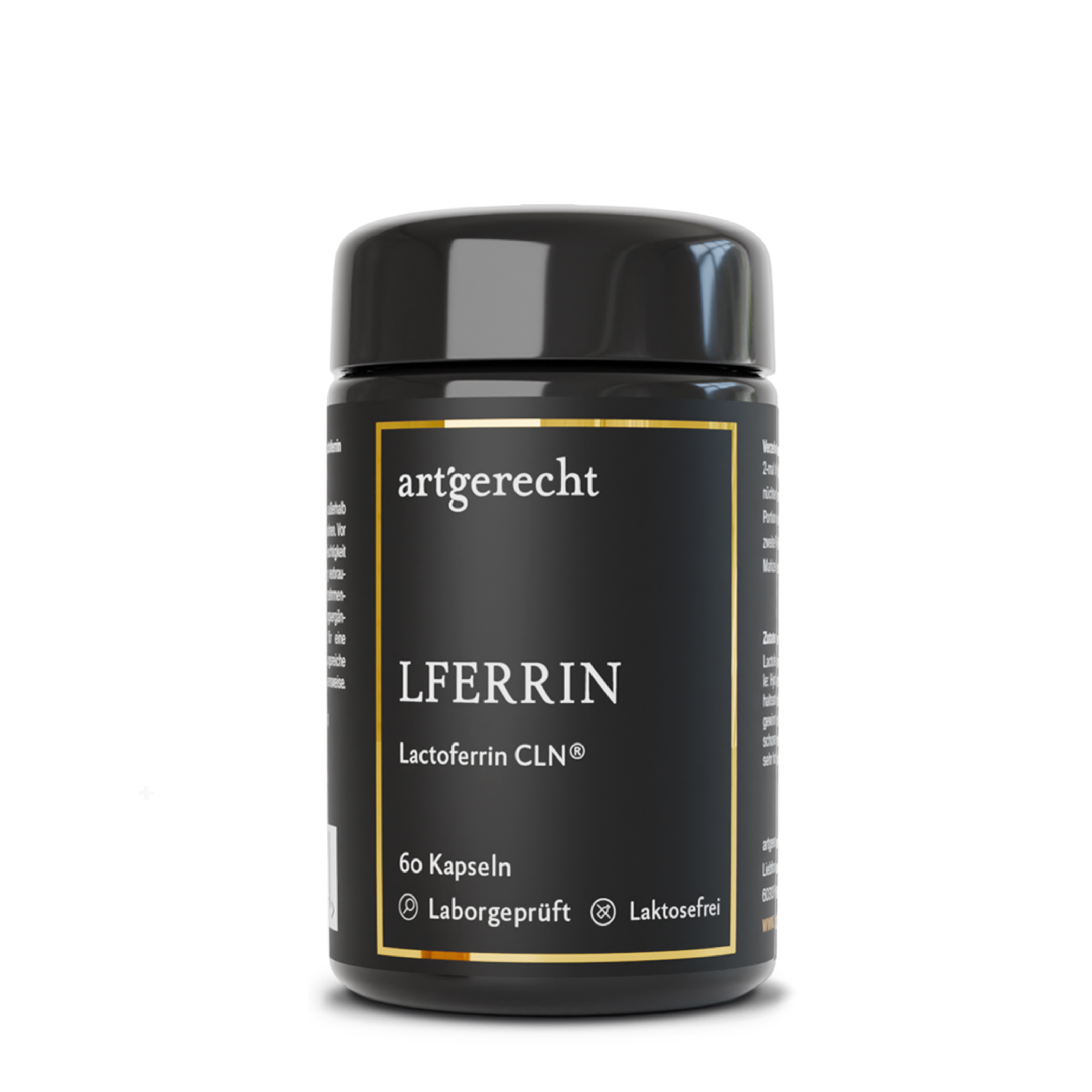
Lactoferrin
For your universal protection
As one of the most valuable proteins in the body, lactoferrin is a natural component of the immune system.[siehe Varianten]
Regular price:
€59.90
Subscription available

Natural Iron

For your iron balance
Specially formulated for your iron balance with plant-based curry leaf iron, Lactoferrin CLN®, and natural Vitamin C from rose hips.
30 Capsules
Regular price:
€35.90
Most read entries
3 Posts in this encyclopedia categoryMagnesiumcarbonat
Magnesiumcarbonat ist eine anorganische Magnesiumverbindung mit säure-neutralisierender (antazidischer) Wirkung. Erfahre mehr über Vorteile, Einsatzgebiete und Unterschiede zu besser resorbierbaren Magnesiumformen.
Calorie content
The choice of food influences our energy intake. The calorie content varies greatly - some provide little energy, others a lot.
Cologne list
The Cologne List ® is an important initiative in competitive sports that offers athletes guidance in the selection of nutritional supplements.